The Texas Hill Country is famous for its beautiful views, but our winters have become quite unpredictable recently. As we move through 2026, many homeowners are realizing that a single night of freezing temperatures can lead to thousands of dollars in water damage.
Plumbing winterizing is no longer just a “nice to have” chore for those living in places like Fredericksburg or Wimberley. It is a vital part of protecting your biggest investment from the harsh reality of a sudden Central Texas freeze.
Read: Why you should never use Baking Soda and Vinegar to Unclog a Drain
Why Plumbing Winterizing is Essential for Texas Homes
Many houses in our area were built for the heat, not the sub-freezing temperatures we are seeing more often. Without proper plumbing winterizing, the water inside your pipes can turn to ice and expand with incredible force.
This expansion often leads to tiny cracks that you wont notice until the ice melts and water starts flooding your floors. Being proactive is always better than being reactive when it comes to your home’s health and safety.
Sign 1: You Have Unprotected Exterior Pipes
If you walk around your house and see bare copper or plastic pipes sticking out of the walls, you are at risk. These exposed areas are the first to freeze when the wind starts howling across the hills, making plumbing winterizing a top priority.
Even a small section of pipe left in the cold can cause a pressure backup that ruins your entire indoor system. You should check every side of your home to ensure no water line is left naked against the elements.
Read: Drain Cleaning Near Me: 5 Ultimate Secrets to Fix a Foul Clog Fast
How Outdoor Plumbing Winterizing Prevents Bursts
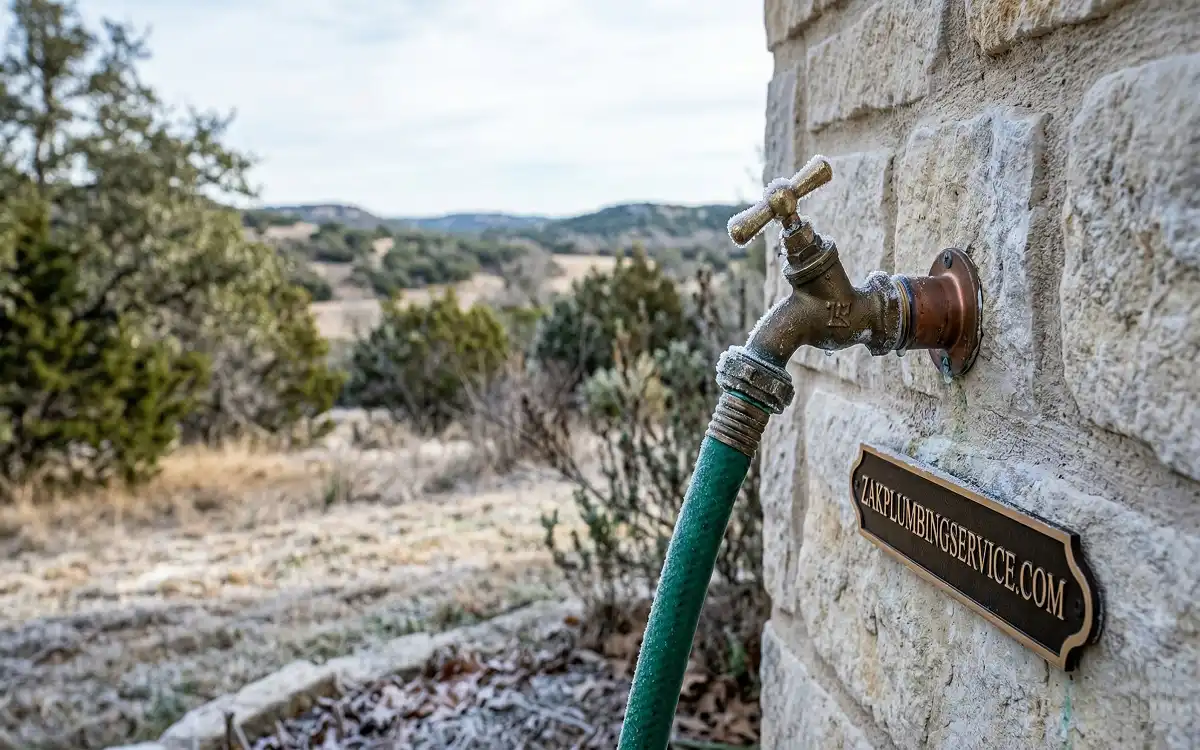
Covering your outdoor taps with foam caps is a classic move, but 2026 technology has given us better options. New smart valves can now sense when the water temperature is nearing 32 degrees and will drip just enough to keep things moving.
Moving water is much harder to freeze than water that is sitting still in a pipe. This simple step is a cornerstone of any effective plumbing winterizing strategy for Hill Country residents.
Sign 2: Your Home Has a Pier and Beam Foundation
Many of the beautiful historic homes and newer farmhouses in our region sit on pier and beam foundations. While this is great for airflow in the summer, it allows freezing air to swirl directly underneath your floorboards and pipes.
If your home is built this way, plumbing winterizing must include sealing those crawl spaces before the temperature drops. If you can feel a chill coming up through your floor, your pipes are likely feeling that same cold.
Read: Emergency Plumber: 7 Ultimate Tips to Stop a Stressful Leak Instantly
Under-Home Plumbing Winterizing for Hill Country Houses
The best way to handle this is by installing high-quality insulation sleeves on every pipe located under the house. You might also consider using the latest 2026 heat tapes, which only turn on when they sense a dangerous drop in temperature.
This saves you money on your electric bill while providing a safety net for those hard-to-reach areas. Dont wait until you hear the sound of rushing water under your feet to take this step.
Sign 3: You Notice Drafts Near Your Water Lines
Sometimes the danger is inside your home, especially if you have plumbing located on exterior walls. If you open your cabinet doors and feel a cold breeze, it means outdoor air is leaking into your wall cavities.
This is a clear sign that your home requires immediate plumbing winterizing to prevent those hidden lines from freezing. A bit of spray foam or weather stripping can go a long way in keeping that cold air out.
Sign 4: The 2026 Weather Forecast Predicts an Arctic Blast
Meteorologists are already warning us about more frequent “Arctic Blasts” hitting Texas this year. When the forecast shows a “hard freeze” lasting more than a few hours, your standard plumbing winterizing needs to be kicked into high gear.
Even well-insulated homes can struggle when the temperature stays below twenty degrees for an extended period. Watching the weather is the best way to know when to start dripping your faucets and opening those cabinet doors.
Read: How to Unclog a Drain: 7 Powerful Secrets to Fix Your Frustrating Sink
Sign 5: You Have an Older Water Heater in the Garage
Garages are often the coldest part of a house, and many Hill Country homes keep their water heaters there. If your unit is more than ten years old, it might struggle to keep the water warm enough to prevent the connecting pipes from icing over.
Updating your plumbing winterizing plan should involve checking the insulation blanket on your water heater. If the tank feels cold to the touch, it is working way too hard and might fail when you need it most.
Upgrading Your Plumbing Winterizing with 2026 Technology
The newest smart home systems now include AI-driven leak detectors that connect directly to your phone. These devices can actually predict a freeze based on local weather data and shut off your main water line automatically.
This is a game changer for people who travel or have vacation homes in the Hill Country area. Investing in this kind of plumbing winterizing tech can lower your insurance premiums and give you total peace of mind.
Descriptive Summary of the Winterization Checklist
Before the cold hits, make sure you have disconnected every single garden hose from your outdoor faucets. Use high-quality insulation for any pipes in unheated areas like the attic, garage, or crawl space.
Identify where your main water shut-off valve is located just in case a pipe does happen to break. Finally, consider a professional inspection to ensure your plumbing winterizing is up to the latest 2026 safety standards.
Read: How to Unclog a Toilet: 7 Proven Ways Fast
Information Points (Replacing the Table)
Instead of a table, here are the vital points you need to check before the first freeze hits. These are the core tasks for any effective winterization plan.
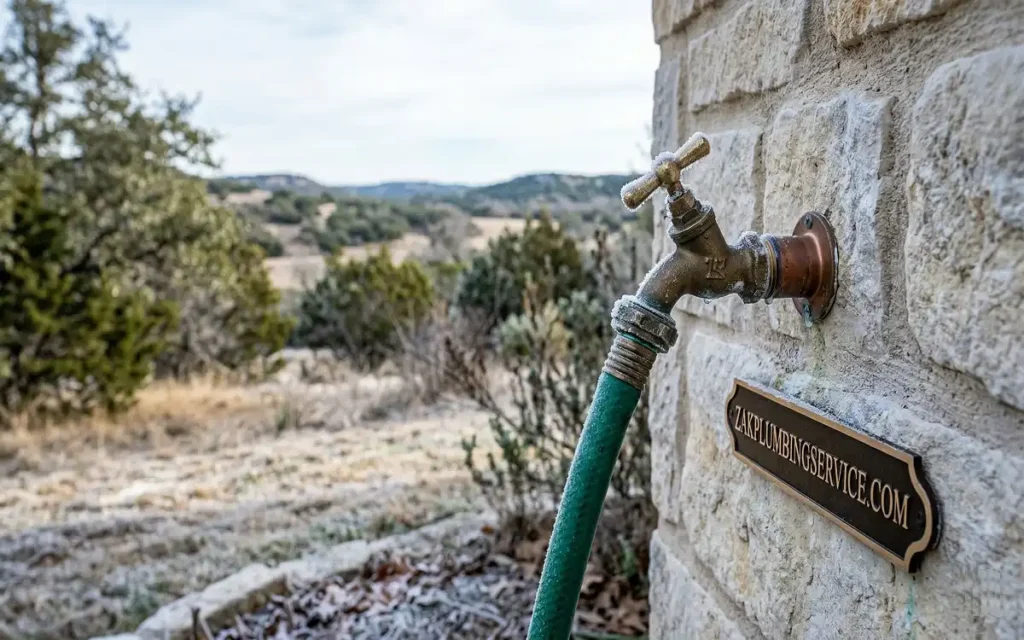
- Exterior Faucets: Remove all garden hoses and install insulated foam covers or the newer 2026 “Freeze Miser” valves.
- Exposed Pipes: Wrap any visible pipes in the attic, garage, or crawl space with foam sleeves or thermostatically controlled heat tape.
- Smart Sensors: Install a Matter 1.5 compatible water monitor to detect pressure changes before a pipe actually snaps.
- Sprinkler Systems: Shut off the main irrigation valve and drain the backflow preventer to avoid expensive repairs in the spring.
- Indoor Cabinets: Keep cabinet doors open under sinks on exterior walls to let warm home air circulate around the pipes.
Read: Flushing Away Clogs: 7 Ultimate Secrets for an Effortless Shower Drain
Stay Warm and Dry This Winter
Taking the time to prepare now will save you from the stress of a plumbing emergency during a holiday or a storm. Zak Plumbing Service is here to help you with all your plumbing winterizing needs, from simple pipe wrapping to advanced smart home installs.
Keep your home safe, keep your water flowing, and enjoy the winter season without any nasty surprises. Your home is your sanctuary, so make sure it stays protected against whatever the Hill Country weather throws our way.
For More Details Visit Zak Plumbing Service Contact Page