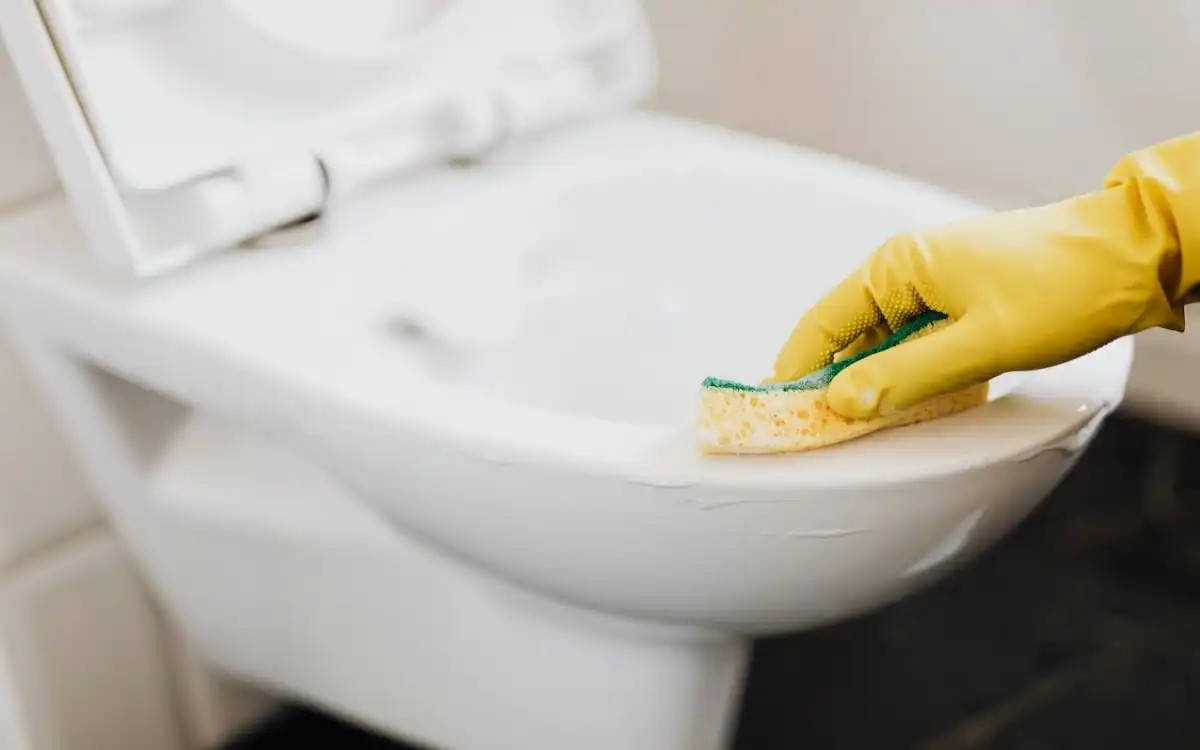
Have you ever walked into your kitchen or bathroom and wondered what that weird scent was? It is a common problem for many homeowners in 2026. Sometimes it smells like rotten eggs, and other times it is just a musty, old smell that won’t go away. When you have smells coming from your drains, it usually means something is happening deep inside your pipes that you cannot see.
In this guide, we will look at the most common reasons for these odors and how you can fix them. From simple buildup to more serious sewer issues, knowing what is causing the stink is the first step to getting your home back to smelling fresh.
Understanding the Sources of Smells Coming from Your Drains
Most of the time, a smelly drain isn’t just one thing. It is a mix of bacteria, moisture, and trapped debris. According to the latest 2026 plumbing standards, even modern homes can face these issues if the drains are not maintained properly.
One of the main reasons for a foul odor is the growth of biofilm. This is a sticky layer of bacteria, hair, soap scum, and skin cells that clings to the inside of your pipes.
Over time, this gunk starts to rot and releases a heavy, swampy smell. It is very common in shower drains where hair gets caught easily.
If you notice a smell that gets worse when the water is running, it is likely that the bacteria are being “disturbed” by the new water flow, pushing the gas back up into your room.
Another major cause is a dry P-trap. The P-trap is that U-shaped pipe under your sink. It is supposed to hold a small amount of water at all times to act as a seal.
This seal blocks sewer gases from entering your home. If you have a guest bathroom or a basement drain that you don’t use often, that water can evaporate.
Without the water barrier, the smells coming from your drains are actually gases from the main sewer line drifting into your living space.
Common Culprits for Odors in 2026
Plumbing technology has improved, but our habits still cause issues. In 2026, we see a lot of “green” cleaning products being used, which are great for the earth but sometimes struggle to break down heavy grease and fats in kitchen sinks.
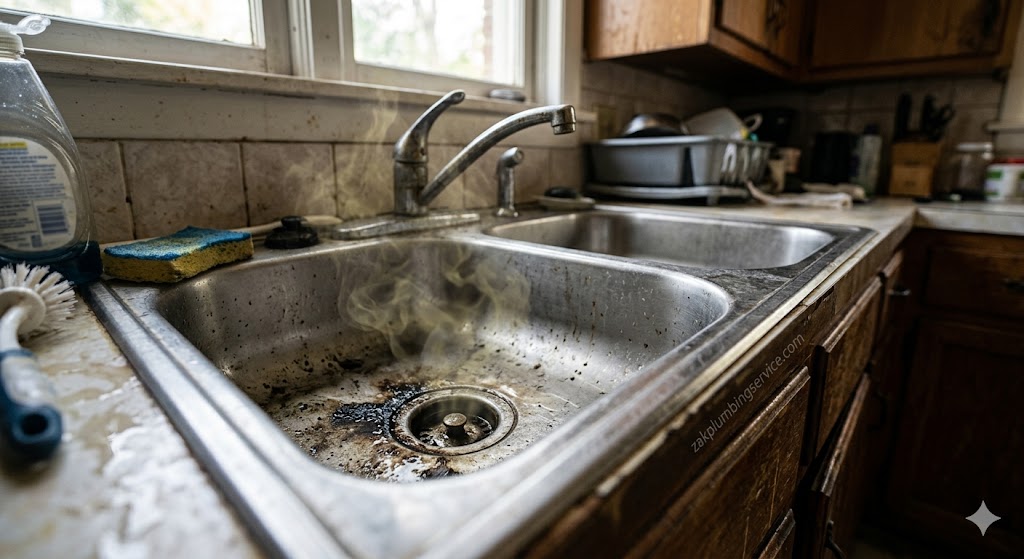
In the kitchen, the most frequent cause of smells coming from your drains is decaying food. Even if you have a powerful garbage disposal, tiny particles of meat, vegetables, and grease can stick to the blades or the sides of the pipes.
As these organic materials sit in a damp environment, they begin to decompose. This creates a sharp, sour smell. Many people try to hide it with lemon peels, but that only works for a little while. To really stop the smell, you need to clear the organic buildup that the bacteria are feeding on.
Ventilation problems are another hidden cause that many homeowners overlook. Your plumbing system has vent pipes that go up through your roof to let air in and gas out.
In 2026, we are seeing more cases where these vents get blocked by bird nests, leaves, or even snow during the winter.
When the vent is blocked, the sewer gas has nowhere to go but back down through your sink or toilet. If you hear gurgling sounds when you flush or drain the tub, it is a big sign that your vent is clogged and causing those smells coming from your drains.
Breaking Down the Different Types of Drain Smells
Instead of a table, let’s look at the specific types of scents you might encounter and what they usually point to in your plumbing:
- Rotten Egg Scent: This is usually hydrogen sulfide gas. It often comes from a dry P-trap or a problem with your water heater’s anode rod.
- Musty or Earthy Odor: This typically points to mold or mildew growing near the drain cover or inside the overflow hole of your sink.
- Sewage or Garbage Smell: This is a sign of decaying food in the kitchen or a serious blockage in the main sewer line that is pushing waste back up.
- Chemical or Metallic Smell: This might be caused by old metal pipes corroding or a reaction between different cleaning chemicals you have poured down the sink.
How to Fix and Prevent Smells Coming from Your Drains
Fixing a smelly drain doesn’t always require a professional, but you have to be consistent with your cleaning. The 2026 plumbing updates suggest using enzyme-based cleaners instead of harsh acids, as they “eat” the organic matter without damaging your pipes.
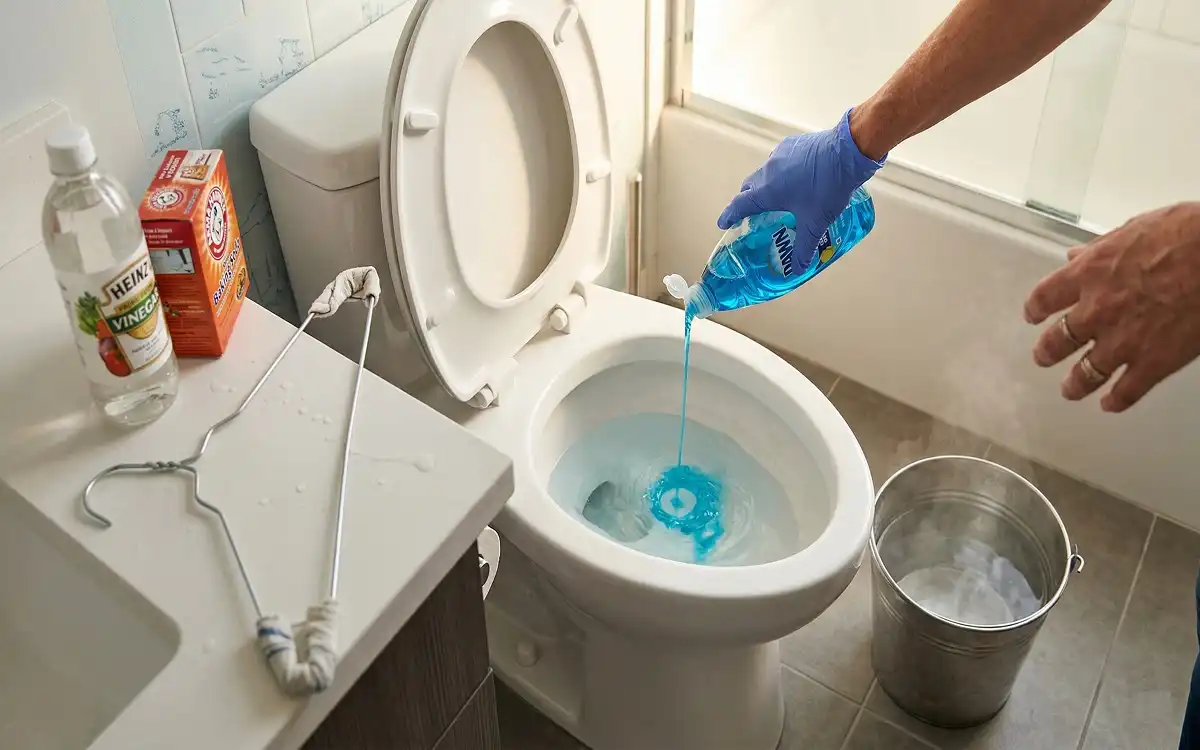
For a quick DIY fix, the baking soda and vinegar trick is still a favorite. Pour half a cup of baking soda followed by a cup of vinegar down the drain.
Let it fizz for about ten minutes, then flush it with very hot water. This helps break up the minor biofilm and neutralizes the smells coming from your drains.
For a dry P-trap, the solution is even simpler: just run the water for a minute to refill the U-bend. Some plumbers now recommend adding a tiny bit of mineral oil to drains that aren’t used much to slow down evaporation.
If the smell stays around after you have cleaned everything, it might be time to call a pro. Persistent smells coming from your drains can mean there is a crack in your sewer line or a broken seal under your toilet. These are bigger jobs that need special tools, like a drain camera, to find the exact spot of the leak.
In 2026, we have much better tech for this, so a plumber can often find the leak without tearing up your floors. Don’t ignore a smell that won’t go away, as it could be a sign of a health risk from sewer gases.
Summary of Drain Maintenance
Keeping your home smelling fresh is mostly about habit. Make it a point to flush your drains with hot water once a week. Check your P-traps in guest rooms every month.
By staying on top of these small tasks, you can avoid the annoying and gross smells coming from your drains for good.
If things get too stinky, remember that zakplumbingservice.com is always here to help you get your pipes flowing and smelling like new again.
Oops, I almost forgot to mention that even small leaks can cause big smells, so always look for damp spots under your cabinets too.
For More Details Visit Zak Plumbing Service Contact Page