Maintaining a home today requires more than just a simple wrench and some luck. As we move through 2026, the technology inside your walls has changed significantly to help you save money and prevent disasters.
Every water pipe in your house is a part of a complex network that needs regular attention to stay functional. If you ignore small drips now, you might end up with a massive repair bill later this year.
Read: United Airlines Plumbing Malfunction U-Turn: 1 Shocking and Disastrous Experience
Why Modern Water Pipe Care is Different in 2026
The plumbing industry has seen a massive shift toward “smart” infrastructure in the last few months. Most modern systems now include integrated sensors that can talk directly to your smartphone if they sense a problem.
Keeping your water pipe healthy is no longer a guessing game thanks to these digital tools. You can now see exactly how much water you use and where a leak might be starting before it causes any damage.
The Impact of the 2026 Plumbing Code on Your Water Pipe
New building regulations for 2026 have made certain upgrades mandatory for anyone doing a home remodel. For instance, the latest codes often require expansion tanks on your water pipe system to handle thermal pressure from water heaters.
Missing these requirements could lead to a failed inspection or even a denied insurance claim if a burst happens. It is much better to update your water pipe connections now rather than waiting for an emergency to force your hand.
Read: Commercial Plumbing Service in NJ: 7 Proven Secrets for Flawless Maintenance
7 Essential Tips for Your Home Water Pipe System
Following these tips will ensure that your plumbing remains in top shape throughout the decade. These steps combine old-school wisdom with the latest 2026 innovations to keep your home dry and safe.
1. Deploying Smart Sensors for Your Water Pipe
The best way to protect your home is to install an AI-driven leak detector on your main water pipe. These devices can automatically shut off your water supply if they detect an unusual flow pattern that looks like a burst.
This technology has become much more affordable this year, making it a standard feature for proactive homeowners. You will sleep much better knowing that your water pipe is being monitored by a digital guard dog.
2. Regulating Water Pipe Pressure Levels
High water pressure feels great in the shower, but it is actually one of the biggest enemies of your plumbing. If the pressure in your water pipe stays above 80 PSI, it can slowly weaken the joints and cause pinhole leaks.
Read: How to Unclog Toilet Without Plunger: The Ultimate 2026 DIY Guide
You should use a simple pressure gauge to check your levels at least twice a year. If the reading is too high, installing a pressure regulator on the main water pipe will save your appliances from wearing out too fast.
3. Identifying the Best Water Pipe Materials
Not all pipes are created equal, and 2026 has seen a rise in the use of self-healing PEX materials. If you have older galvanized steel or copper, it might be time to plan for a gradual upgrade to a more modern water pipe.
Corrosion is a natural process that eventually eats through metal, leading to rusty water and low pressure. Switching to high-quality plastic or reinforced composites ensures your water pipe lasts for another fifty years without issues.
4. Strategic Water Pipe Insulation for Efficiency
Insulating your pipes is not just for preventing winter freezes anymore. In 2026, we focus on energy efficiency by wrapping every hot water pipe to keep the heat from escaping before it reaches your faucet.
This simple step reduces the amount of energy your water heater uses every single day. It also prevents condensation from forming on a cold water pipe, which can lead to mold growth inside your walls.
Read: How to Clean Toilet Tank: 7 Powerful Secrets for a Sparkling Result
5. Natural Maintenance for Water Pipe Longevity
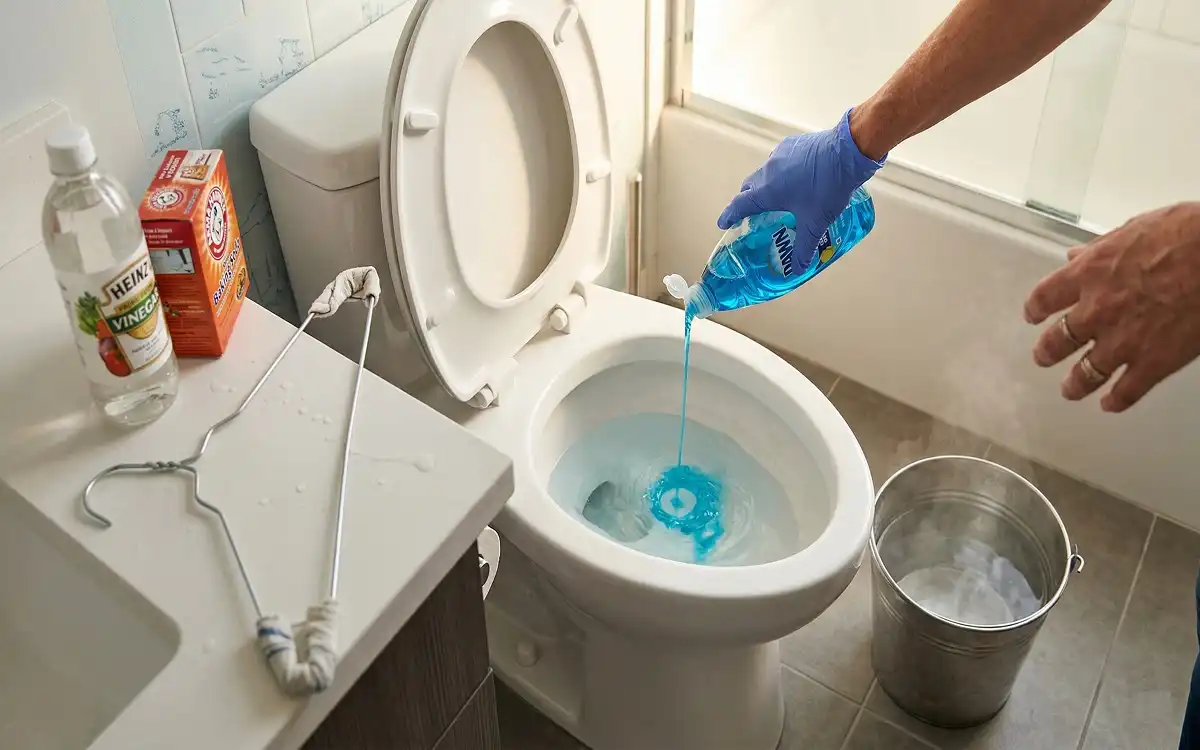
Many people still use harsh chemical cleaners to clear clogs, but these liquids actually eat away at the interior of your water pipe. Instead, you should use enzymatic cleaners or a simple mixture of baking soda and vinegar for routine maintenance.
These natural solutions break down organic matter without causing the metal or plastic to become brittle over time. Protecting the inner lining of your water pipe is essential for maintaining a high flow rate and clean water.
6. Routine Professional Water Pipe Inspections
Even the most careful DIY homeowner cannot see through solid walls or underground. You should hire a professional plumber to perform a camera inspection of your main water pipe every few years.
These cameras can find tree roots or tiny cracks that are just beginning to form deep in the system. Catching a problem with your water pipe while it is small will save you thousands of dollars in excavation costs.
Read: How To Unclog A Garbage Disposal in 5 Simple Steps Before Calling A Plumber
7. Mastering Your Water Pipe Shut-Off Locations
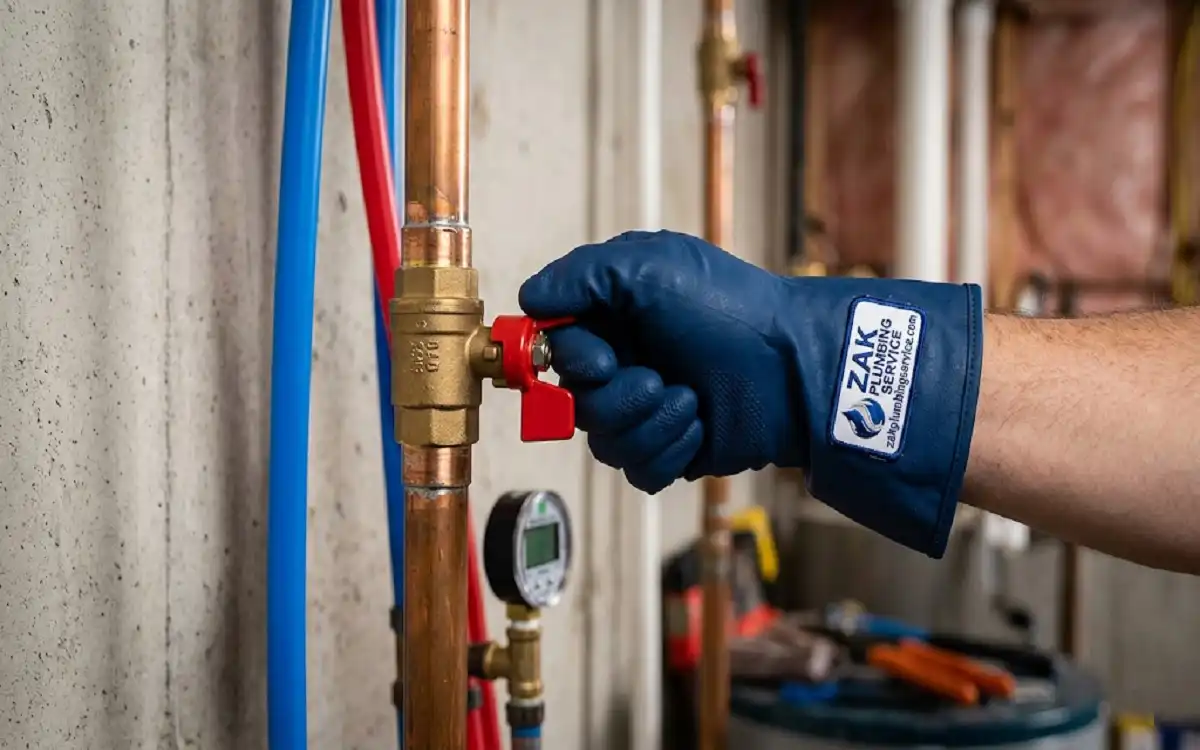
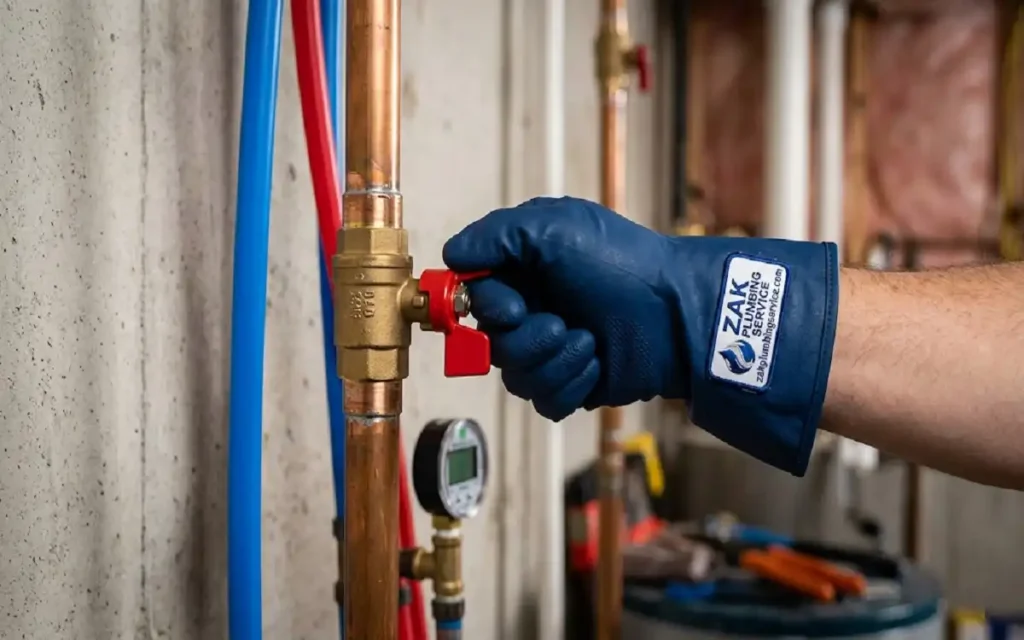
In an emergency, every second counts when water is spraying across your hardwood floors. You must make sure everyone in your house knows exactly where the main shut-off valve for the water pipe is located.
It is also a good idea to label each individual valve under your sinks and toilets for quick access. Being able to isolate a single water pipe will allow you to keep the rest of the house functional during a repair.
Essential Maintenance Checklist for Your Water Pipe
Instead of a standard table, here is a detailed breakdown of the maintenance steps you should follow for your plumbing system. These points summarize the key actions required to keep your water pipe network in perfect condition.
Read: How Do You Clean a Toilet Tank: 5 Essential Hacks for a Brilliant Result
- Monthly Visual Checks: Look under every sink for dampness or green corrosion on any visible water pipe or fitting.
- Annual System Flush: Drain your water heater once a year to remove sediment that can travel into your water pipe and cause clogs.
- Check the Meter: Turn off all faucets for an hour and watch your water meter to see if it moves, which indicates a hidden leak in a water pipe.
- Test Shut-Off Valves: Turn your main and local valves off and on once a year to ensure they do not become stuck due to mineral buildup.
- Clean Aerators: Unscrew the small screens at the end of your faucets to remove grit that has traveled through the water pipe and reduced your flow.
- Inspect Outdoor Spigots: Check your garden hoses and exterior water pipe connections for leaks that might be wasting water outside.
Read: What is a P Trap? 7 Shocking Plumbing Secrets Revealed
Finally
Taking care of your home plumbing in 2026 is about being proactive rather than waiting for a disaster. By following these seven tips, you can ensure that every water pipe in your home remains reliable and efficient for years to come.
Do not wait for a puddle to appear on your floor before you start thinking about maintenance. A little bit of attention today will keep your water pipe system flowing smoothly and your repair costs low.
For More Details Visit Zak Plumbing Service Contact Page