Plumbing issues never happen at a good time. Usually, it is right before a big dinner party or in the middle of a cold Tuesday night when you just want to sleep. When a pipe bursts or the toilet starts overflowing, your home is at risk of serious water damage. Knowing how to handle an Emergency Plumbing situation can be the difference between a quick cleanup and a very expensive renovation.
At Zak Plumbing Service, we see these disasters every day. Most of them could have been much smaller if the homeowner knew exactly what to do in the first few minutes. This guide will walk you through the essential steps to keep your home safe until the professionals arrive.
Read: Water Pipe Maintenance: 7 Essential Tips for the Best Home Plumbing
1. Shutting Down the Main Water Valve for Emergency Plumbing
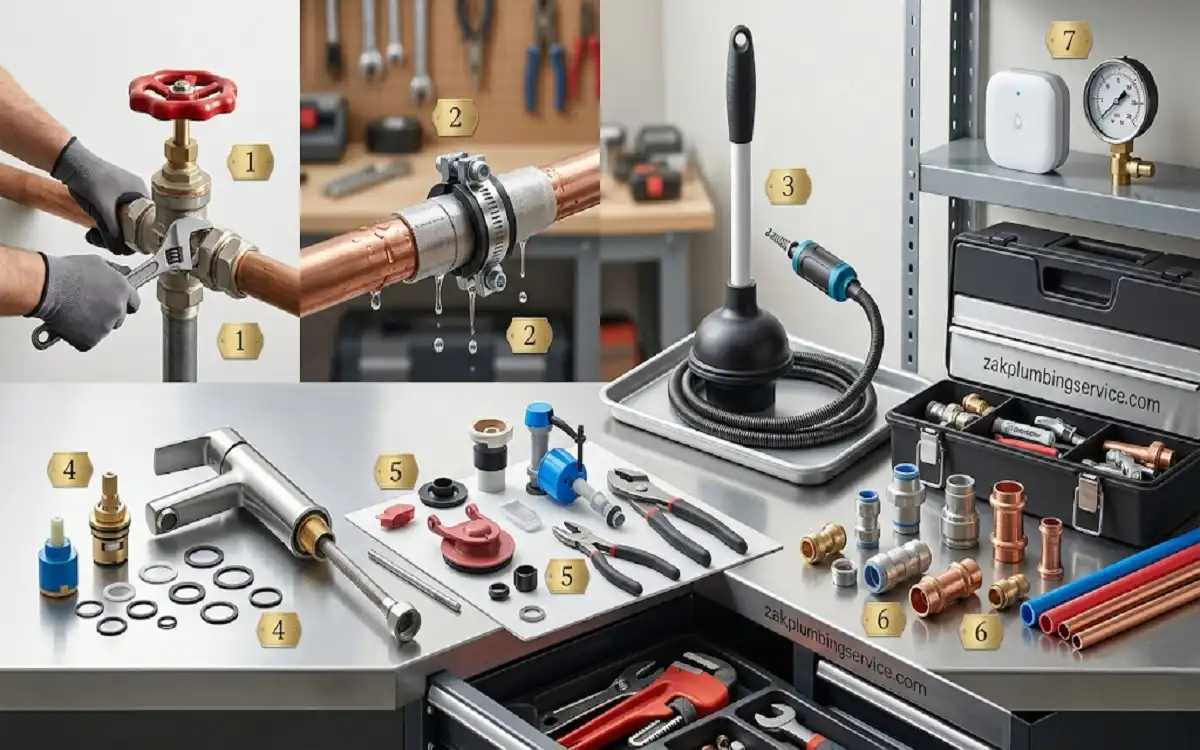
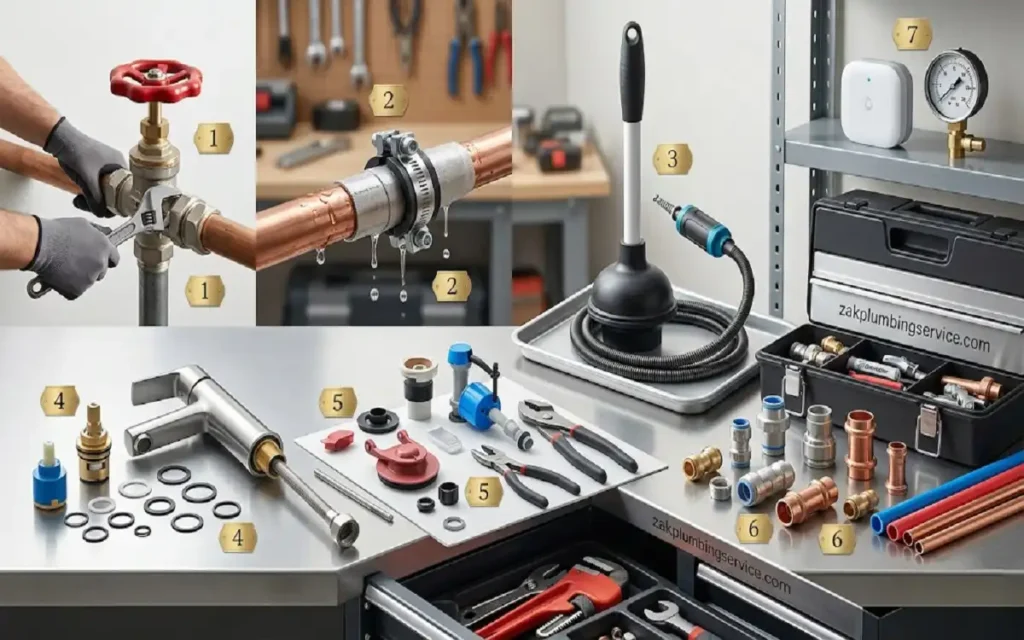
The very first thing you must do during an Emergency Plumbing crisis is stop the flow. If you have a burst pipe, every second that water runs is another gallon soaking into your floorboards. You should already know where your main shut-off valve is located. Usually, it is near the water meter or where the main line enters the house.
If you cannot find the main valve, look for individual shut-off valves under sinks or behind toilets. Turning these handles clockwise will stop the water to that specific fixture. In 2026, many homes now have smart shut-off valves that you can trigger from your phone, so check your home automation app if you have one installed.
Read: United Airlines Plumbing Malfunction U-Turn: 1 Shocking and Disastrous Experience
Identifying Valve Types in an Emergency Plumbing Situation
Not all valves look the same. Some are “gate valves” that look like a circular wheel, while others are “ball valves” with a straight lever. For a ball valve, turn the lever so it is perpendicular to the pipe. For a gate valve, turn it clockwise until it won’t move anymore. Do not force it too hard, as old valves can sometimes snap if they are rusty.
2. Dealing with a Rapidly Overflowing Toilet
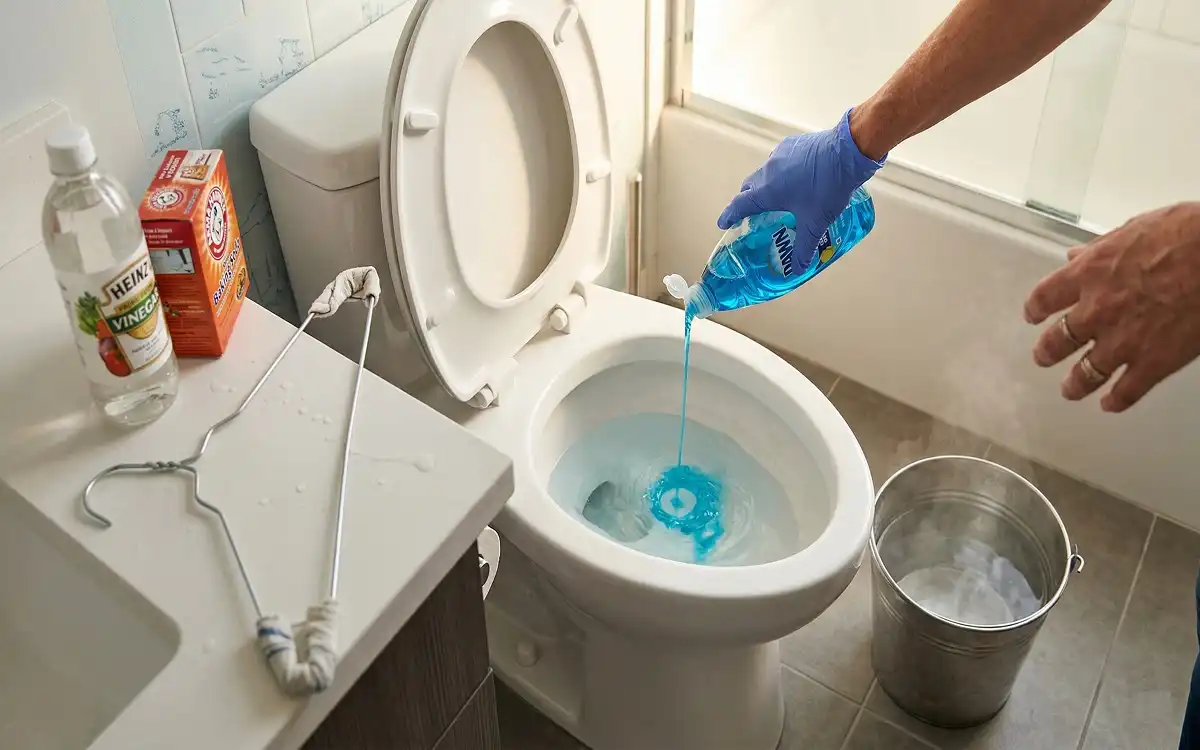
Nothing causes panic like a toilet that won’t stop rising. This is a classic Emergency Plumbing nightmare. If the water is climbing toward the rim, reach behind the base of the toilet and find the silver handle.
Turn it quickly to the right. This cuts the water supply to the tank and stops the overflow immediately.
If the valve is stuck, you can lift the lid off the tank and push the “flapper” (the rubber circle at the bottom) down into the hole.
This stops water from entering the bowl. Then, lift the float cup or ball to the top to stop the tank from refilling. It’s a messy job, but it saves your bathroom floor from a total soak.
Read: Emergency Plumber: 7 Ultimate Tips to Stop a Stressful Leak Instantly
3. Handling a Leaking Water Heater Crisis
A leaking water heater is a sneaky Emergency Plumbing issue. You might notice a small puddle at first, but it can quickly turn into a flood if the tank floor gives out. First, turn off the power. If it is gas, turn the dial to “pilot” or “off.” If it is electric, flip the breaker in your electrical panel.
Next, shut off the water intake. There is usually a cold water pipe leading into the top of the heater with a valve on it. Close that valve to stop more water from entering the leaking tank.
In 2026, most new heaters have “Contextual AI” sensors that might have already alerted your phone, but manual intervention is still the safest bet to prevent a basement flood.
4. What to Do with Burst Pipes in Winter
Frozen pipes are a huge cause for Emergency Plumbing calls during the colder months. When the ice inside the pipe thaws, the pressure causes the metal or plastic to split. If you see a wall becoming damp or hear water running where it shouldn’t, you likely have a burst pipe behind the drywall.
Once you have shut off the main water, open all your faucets. This drains the remaining water out of the system so it doesn’t leak through the crack. It also relieves pressure.
If the leak is small and visible, you can use a piece of rubber and a C-clamp as a temporary patch until we get there to replace the section.
Read: Emergency plumber near me: 5 Essential Secrets for Reliable 24/7 Service
5. Clearing Major Clogs and Backups
A backed-up sewer line is the most unpleasant Emergency Plumbing problem. If multiple drains are gurgling or if water comes up the shower drain when you flush the toilet, your main line is blocked. Stop using all water immediately.
Do not run the dishwasher or the laundry machine, as that water has nowhere to go but up into your home.
Avoid using chemical drain cleaners for major backups. These chemicals are very harsh and can actually eat through older pipes or damage the new eco-friendly PPR piping systems that are popular in 2026. A plunger might help for a single sink, but for a main line backup, you need professional equipment like a motorized snake or a hydro-jet.
Read: Water heater repair near me: 7 Proven Tips for Fast and Reliable Service
6. Managing a Sump Pump Failure
If you have a basement, your sump pump is your best friend during a rainstorm. When it fails, it becomes an Emergency Plumbing priority. Check if the pump has power.
Sometimes the vibration of the motor can unplug the cord. If it has power but isn’t moving water, the “float switch” might be stuck against the side of the pit.
Gently nudge the float with a stick to see if it triggers the motor. If the motor sounds like it is running but no water is leaving, the discharge pipe might be frozen or blocked. In 2026, many homeowners use battery-backup sump pumps or secondary “smart” pumps that kick in automatically. If you don’t have a backup, you may need to manually bail water until help arrives.
7. When to Call for Professional Emergency Plumbing
Not every leak is a DIY fix. If you have done the basic steps and the water is still a problem, it is time to call Zak Plumbing Service.
Trying to solder pipes or dig into sewer lines without the right tools can make the damage much worse and might even void your home insurance.
We provide 24/7 support because we know that water damage doesn’t wait for business hours. Our team uses the latest 2026 tech, like robotic pipe inspectors and thermal imaging, to find leaks inside your walls without tearing the whole house apart.
If you’re feeling overwhelmed, just take a deep breath, turn off the water, and give us a call.
Key Safety Steps for Plumbing Disasters
While we don’t have a table here, these points summarize the most critical data you need for managing an Emergency Plumbing event effectively.
- Main Valve Location: Every adult in the house should know where the main water shut-off is. Mark it with a bright tag so it’s easy to find in the dark.
- Power Awareness: Water and electricity are a deadly mix. If a room is flooded, do not walk into the water until you have turned off the electricity at the breaker box.
- Tool Kit Essentials: Keep a “plumbing emergency kit” handy. This should include a high-quality plunger, a pipe wrench, some waterproof tape, and a bucket.
- Smart Home Tech: Consider installing smart leak detectors. In 2026, these sensors can detect a single drop of water and send an alert to your phone instantly.
- Documentation: Take photos of the damage before and after your temporary fix. This is very important for your insurance claim later on.
- Avoid Heat: Never use a blowtorch to thaw a frozen pipe. You could accidentally start a fire or cause the pipe to explode from the steam pressure.
- Ventilation: If a leak involves a gas water heater and you smell “rotten eggs,” leave the house immediately and call the gas company from outside.
Plumbing emergencies are stressful, but they are manageable if you stay calm and follow these steps. By acting quickly, you protect your furniture, your flooring, and your peace of mind.
Remember, Zak Plumbing Service is always here to handle the heavy lifting and get your home back to normal!
For More Details Visit Zak Plumbing Service Contact Page