1. Warm It Up for Maximum Flexibility
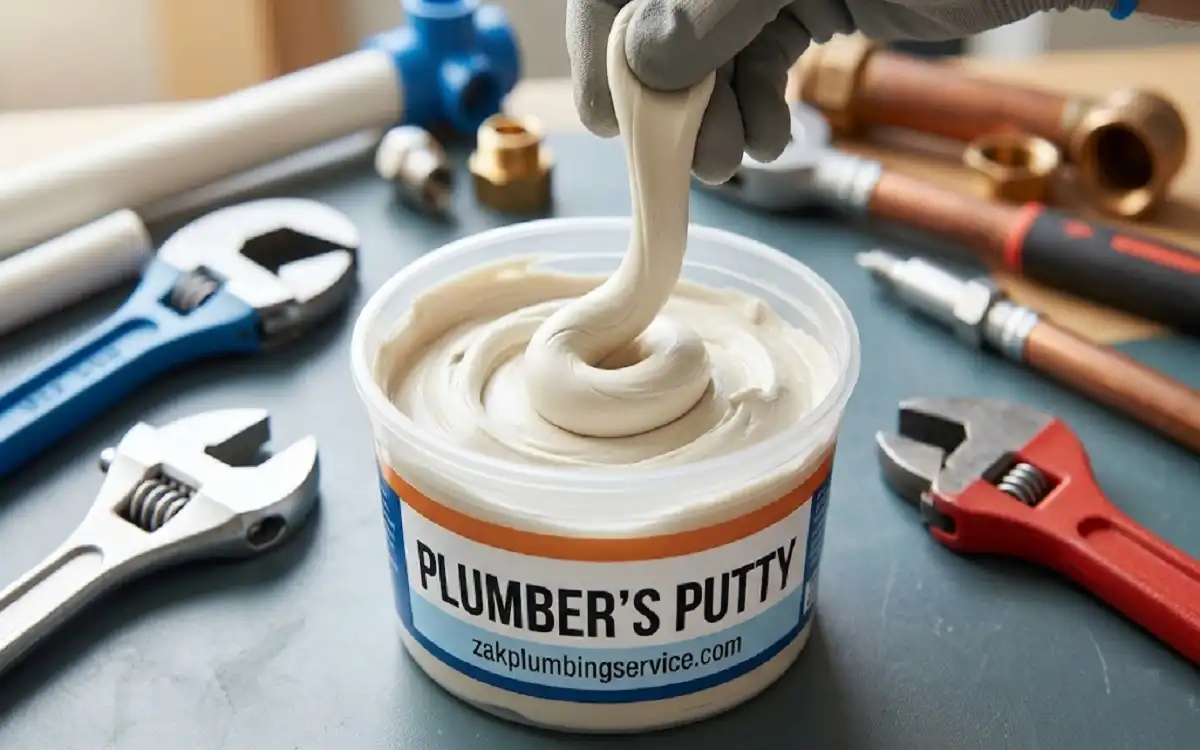
One of the most common mistakes people make is trying to use the putty straight out of the tub when it is cold. If it feels stiff or crumbly, it will not seal properly. Take a golf-ball-sized amount and roll it between your palms. The heat from your hands softens the oils, making it stretchy and easy to work with.
Read: Drain Opener Baking Soda Vinegar: The 1 Ultimate Trick to Fix Stubborn Clogs
2. The “Snake” Method is Key
To get a perfect Plumbers Putty seal, you need to roll the material into a long, consistent rope (often called a “snake”). Aim for a thickness of about a pencil. If the rope is too thin, you might get a leak, if it is too thick, you will just waste material. Consistency is the secret here.
3. Clean the Surface Like a Pro
Putty hates dirt. If there is old, crusty sealant or soap scum on the sink or the drain flange, the new putty will not stick. Use a plastic scraper to remove the old gunk and wipe the area down with a damp cloth. Make sure it is completely dry before you apply the new “snake.”
4. Know When to Avoid Plumbers Putty
As great as this stuff is, it is not a “fix-all” for everything. In 2026, we see more specialized materials in homes than ever before.
- Do not use it on plastic (ABS) pipes: The oils in standard putty can actually eat through certain plastics over time.
- Porous Stones: Standard putty can leave an oily “ring” or stain on high-end granite or marble. For these, always look for “Stain-Free” versions.
5. Apply Even Pressure During Installation
When you set your drain or faucet into the putty, do not just drop it in. Press down firmly and evenly. You want to see the Plumbers Putty “ooze” out from the sides. This “squeeze-out” is actually a good thing, it means the putty has filled every tiny gap and created a true vacuum seal.
Read: Sprinkler Repair Near Me: 7 Expert Hacks for a Guaranteed Lush Lawn
6. Tighten, Then Clean
Once the part is in place, tighten the mounting nut from underneath. As you tighten, more putty will move out. Do not panic! Once everything is tight, simply use your finger or a soft cloth to peel away the excess. The best part? You can actually put the excess back in the tub and use it again later.
7. Check for the 2026 “Shelf Life” Test
Plumber’s putty does not “dry” like glue, but it can lose its oils over years. If you open an old tub and the putty snaps when you pull it instead of stretching, it is time to toss it. Fresh putty should feel like soft play-dough.
Read: How to Unclog a Toilet when the Water is High without a Plunger
Essential Facts About Plumbers Putty
Instead of a table, here is a quick breakdown of everything you need to know at a glance:
- Average Cost: Usually between $3 to $8 per tub, making it much cheaper than silicone.
- Drying Time: Zero. You can run the water immediately after installation.
- Texture: Soft, pliable, and non-sticky to the touch.
- Best Uses: Sink drains, faucet bases, and floor drains.
- Main Benefit: It never hardens completely, meaning you can easily remove the fixture 10 years from now without a hammer.
- Compatibility: Best for metal-to-metal or metal-to-ceramic connections.
- Temperature Range: Works best in indoor settings, avoid using it on outdoor pipes exposed to freezing winters or direct sun.
Why Plumbers Putty is Still Better Than Silicone in 2026
While silicone is a great adhesive, it is a nightmare to remove. If you make a mistake with silicone, you have to scrape and scrub for an hour. With Plumbers Putty, if you mess up the alignment, you just pull it off, roll it back into a ball, and try again. It is the most “forgiving” DIY material in the plumbing world.
For a website like zakplumbingservice.com, we always recommend keeping a fresh tub in your “under-sink” emergency kit. It is the difference between a quick 10-minute fix and a weekend-long plumbing disaster.
Common Questions About Plumbers Putty
Can I use it on a toilet?
Not really. Putty is not an adhesive, it does not “hold” things in place against weight. Use a wax ring or a rubber seal for the base of your toilet instead.
Read: Hydro Jetting Sewer Line: 5 Crucial Reasons to Avoid Dangerous Pipe Damage
How long does it last?
A good seal can easily last 10 to 15 years. If you notice a slow drip under the sink flange, it usually means the putty has finally dried out or the house shifted, breaking the seal.
For More Details Visit Zak Plumbing Service Contact Page