Having a water filter is great, but keeping it running is the real secret to clear, tasty water. In 2026, we are seeing more “smart” home systems that tell us when things are wrong, but even the best tech needs a human touch sometimes.
If your water has started to smell like eggs or if your sink is just a slow trickle, you are likely in need of some basic Water Filtration Repair steps.
Below is a complete guide to keeping your system in top shape, written with simple advice and the latest 2026 industry insights.
Read: Water Softener Service: 10 Essential Hacks to Fix Your Hard Water Fast
1. Why Your System Needs Water Filtration Repair Now
Many homeowners wait until the water turns brown to check their filters. That is a big mistake. In 2026, new reports show that “forever chemicals” (PFAS) and micro-plastics are more common in city water lines than we thought. If your system is broken, even just a little, these tiny bits get through.
Water Filtration Repair isn’t always about a massive leak. It can be a tiny crack in a housing or an old O-ring that lets air in. When you fix these small things, you save money on your monthly bills and keep your drinking water safe.
Read: Water Filtration Maintenance: 5 Proven Tactics to Avoid Costly Repairs
2. Spotting the Signs of a Clogged Filter
The most common Water Filtration Repair job is simply dealing with a clog. In 2026, our water systems are dealing with more sediment due to aging city pipes.
- Low Pressure: If it takes ten minutes to fill a glass, your filter is full of gunk.
- Strange Noises: If your pipes are “whistling,” it might be air trapped in a dirty filter.
- Bad Taste: This is the most obvious sign that the carbon inside has given up.
Read: Replace Sewer Line: 7 Essential Ways to Avoid a Costly Home Disaster
3. The 2026 Update on Smart Sensors
Modern systems now come with Bluetooth or Wi-Fi sensors. A common Water Filtration Repair in 2026 involves recalibrating these digital monitors. Sometimes the sensor says the filter is “bad” when it is just covered in a little bit of dust. Always check the physical filter before you trust the app on your phone.
4. Fixing Leaks and Drips
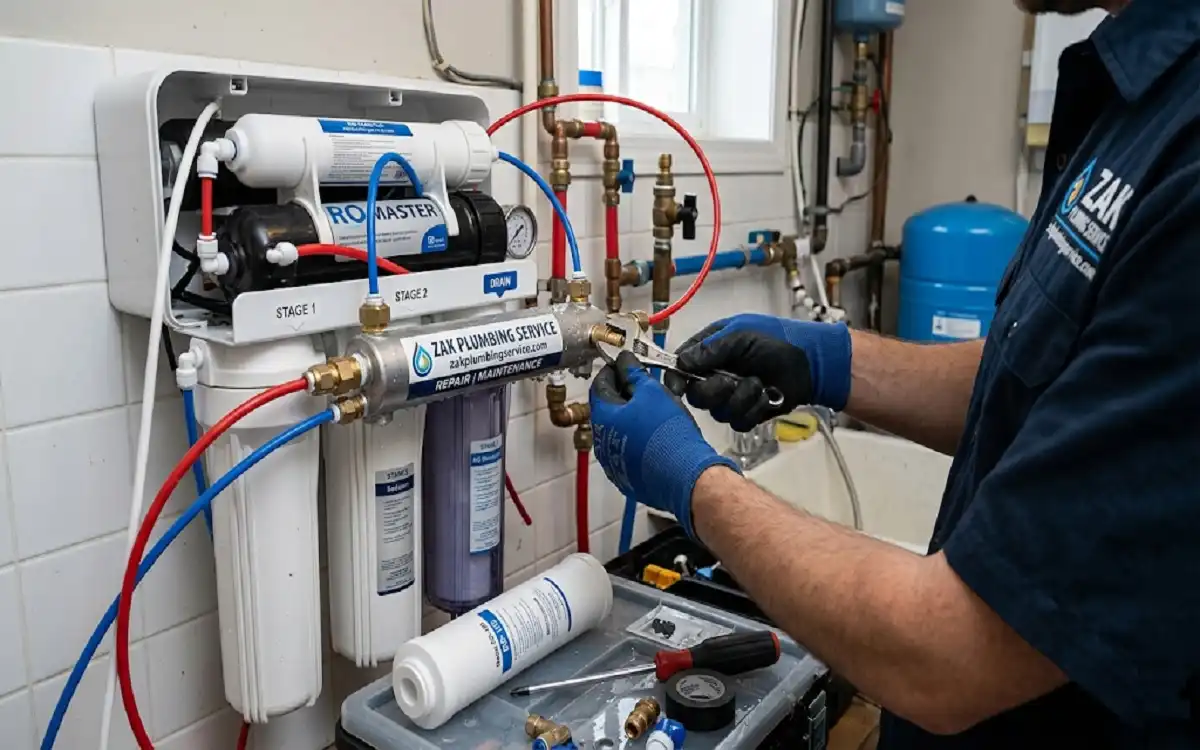
A leak around your filter housing is usually just a worn-out rubber seal. You don’t always need to call a pro for this Water Filtration Repair. Most of the time, you can unscrew the housing, clean the rubber ring, and put it back. If the ring is flat or cracked, buy a new one for a few dollars. It is much cheaper than replacing the whole unit.
5. Cleaning Your System Properly
Sometimes, Water Filtration Repair is actually just about deep cleaning. Slimy buildup can grow inside the tanks if they aren’t flushed. In 2026, experts suggest using a mild vinegar solution once a year to kill any bacteria that the filters didn’t catch. This keeps the water tasting fresh and prevents the system from smelling “musty.”
6. Managing High Sediment Levels
If you find yourself doing Water Filtration Repair every month, you might need a “Pre-Filter.” This is a cheap, tough filter that catches the big sand and dirt before it hits your expensive main filter. In 2026, many homes are adding these to save their Reverse Osmosis membranes from getting ruined too fast.
7. Knowing When to Call a Professional
While you can do a lot of Water Filtration Repair yourself, some things are tricky. If you see a crack in the main tank or if the electronic control board is sparking, stop immediately. Water and electricity do not mix well. Zak Plumbing Service specializes in these complex fixes to ensure your home stays dry and your water stays pure.
Read: How to Unclog a Toilet when the Water is High without a Plunger
Important Things to Check for Water Health
Instead of a table, here are the key parts of your system and what they need to stay healthy. Use this list as your monthly checklist to avoid expensive repairs.
- Filter Cartridges: These should be changed every 6 to 12 months. If you have a large family, check them every 4 months.
- O-Rings (Rubber Seals): Look for cracks every time you open the filter housing. A little bit of silicone grease helps them last longer.
- Storage Tanks: For systems like Reverse Osmosis, check the air pressure in the tank. It should usually be around 7 to 8 psi when empty.
- Tubing and Lines: Make sure the plastic lines aren’t pinched or bent. A pinched line will make the system work too hard and might cause a motor to burn out.
- Smart Indicators: Check the batteries in your leak detectors or smart monitors once a year.
- System Flush: If you haven’t used your water for more than a week (like after a vacation), run the water for 5 minutes to clear out the old stuff.
Read: how to unclog a toilet without a plunger with poop
Keeping your water clean doesn’t have to be a headache. With a little bit of Water Filtration Repair knowledge, you can keep the “good stuff” flowing for years to come. If you get stuck, remember that a quick check today can save you a big bill tomorrow. Happy drinking!
For More Details Visit Zak Plumbing Service Contact Page