Most people do not spend their Friday nights thinking about what is happening under their front yard. We think about the kitchen remodel, or maybe that new smart thermostat, but the pipes buried six feet under the grass? They are out of sight and out of mind, until they aren’t.
As we move through 2026, many homes built in the late 20th century are hitting a “breaking point” with their plumbing. If you wait until the basement is flooded with waste to Replace Sewer Line systems, you are looking at a much bigger bill than if you had acted early.
Read: How to Unclog Toilet Without Plunger: The Ultimate 2026 DIY Guide
Why You Should Replace Sewer Line Systems Before a Crisis
In the current real estate market, a healthy sewer system is a major selling point. In 2026, buyers are more savvy than ever, often asking for “sewer scopes” before they even sign a contract. If your pipes are made of old clay or cast iron, they are likely corroding or being invaded by tree roots as we speak. When you choose to Replace Sewer Line segments proactively, you aren’t just fixing a pipe, you are protecting your home’s foundation and its future resale value.
It is also a matter of health. A cracked sewer line can leak methane gas into your home or cause mold to grow behind your walls. We have seen many homeowners try to “patch” things up with hardware store chemicals, but that usually just eats away at the pipe even more. Real solutions come from understanding that these systems have a limited lifespan.
Signs It Is Time to Replace Sewer Line Pipes
How do you know if you are in trouble? The signs are usually there, but we tend to ignore them because we’re busy. First, listen to your house. If you flush the toilet and hear a gurgling sound in the shower, that is air getting trapped by a blockage. Second, look at your lawn. If there is a patch of grass that looks incredibly green and lush compared to the rest, it is likely being “fertilized” by a leaking sewer pipe.
Other red flags include slow drains in multiple rooms at once. If just the kitchen sink is slow, it is a local clog. But if the kitchen, the guest bath, and the laundry room are all sluggish, the problem is deeper. In 2026, we also see more “sinkholes” in driveways caused by leaking pipes washing away the soil underneath.
Modern 2026 Methods to Replace Sewer Line Issues
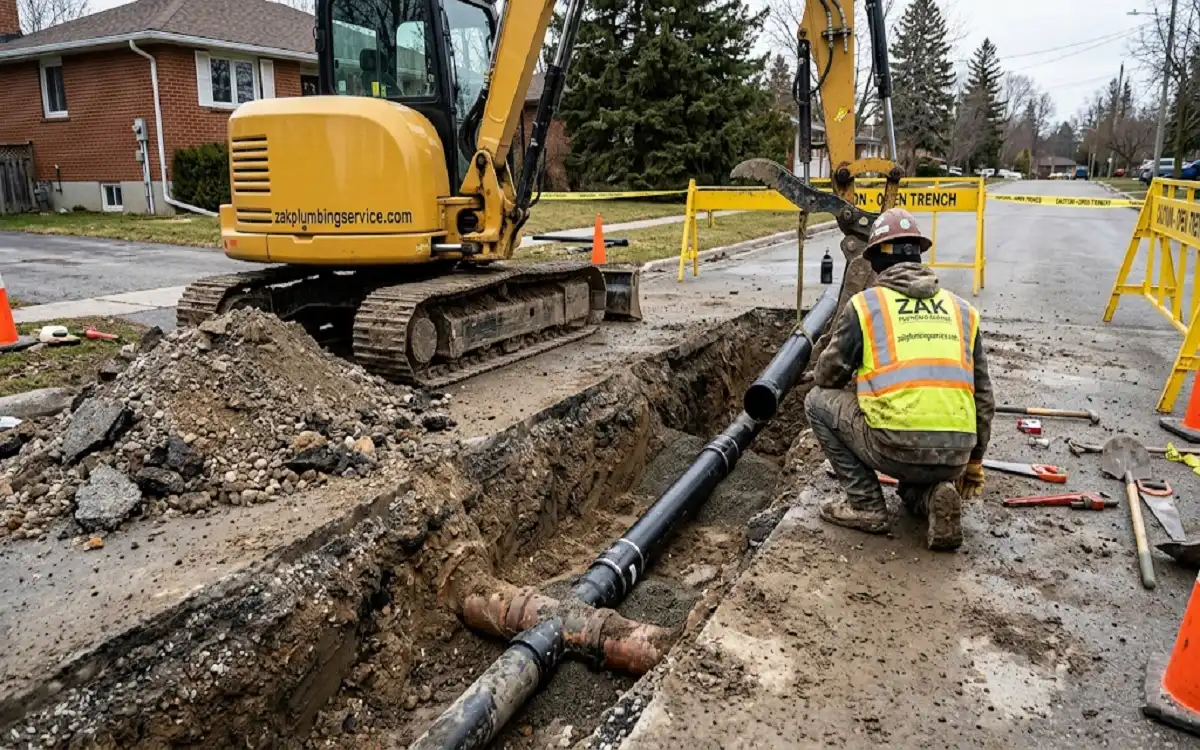
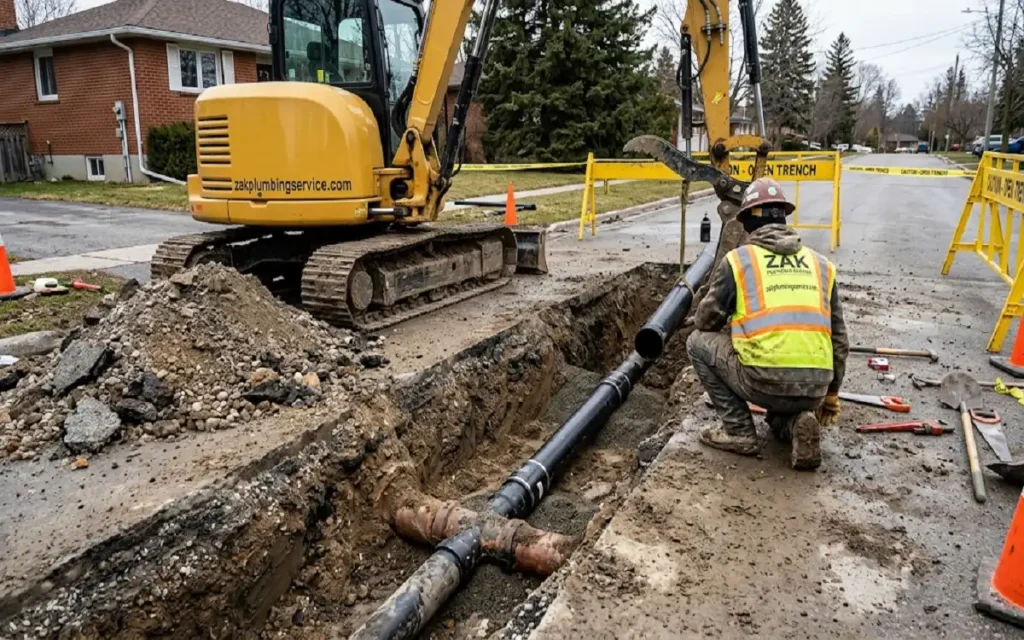
The good news is that we don’t always have to dig up your entire rose garden anymore. Back in the day, if you had to Replace Sewer Line pipes, it meant a massive trench and a week of heavy machinery. Today, we have “Trenchless Technology.” This includes “Pipe Bursting,” where we pull a new pipe through the old one, or “Pipe Lining,” where we create a brand new, hard shell inside your existing pipe using epoxy.
These methods are faster and often cheaper when you factor in the cost of not having to rebuild your driveway or replant your trees. However, if a pipe has completely collapsed, traditional digging is still sometimes necessary. A good plumber will use a high-definition camera to show you exactly what is going on before they give you a quote.
The Cost Analysis to Replace Sewer Line Infrastructure
Let’s talk about the money, because that is what everyone worries about. Based on the latest 2026 data, here is how the costs usually break down for homeowners:
- Standard Replacement Range: Most homeowners are paying between $3,000 and $7,000 for a full replacement, with the national average sitting right around $5,100.
- Per Foot Pricing: If you are only doing a partial fix, expect to pay between $60 and $250 per linear foot. This price includes the labor, the new materials (usually PVC or HDPE), and the permits.
- Trenchless Savings: While the “plumbing” part of trenchless repair might cost 20% more than digging, you save thousands because you don’t have to hire a landscaper or a paving company to fix the yard afterward.
- Permit Costs: Depending on where you live, permits can add $500 to $1,200 to the total. In 2026, city regulations have become stricter about wastewater management, so don’t try to skip this step.
- Inspection Fees: A professional camera inspection usually runs between $175 and $350. It is the best money you will ever spend because it prevents “guessing” on a multi-thousand dollar job.
7 Essential Ways to Avoid a Sewer Disaster
You don’t always have to Replace Sewer Line pipes if you take care of them. Here are seven ways to keep your system running smoothly:
- Annual Camera Inspections: Think of this as a “check-up” for your pipes. Seeing a small crack today prevents a total collapse next year.
- Tree Root Management: If you have big oaks or maples near your line, have a professional clear out the small roots every two years before they get big enough to break the pipe.
- Mind the “Flushables”: Even if the box says “flushable wipes,” do not put them down the drain. They do not break down like toilet paper and are a leading cause of sewer backups.
- Hydro-jetting: This is a high-pressure water cleaning that blasts away grease and scale buildup. It is like a “deep clean” for your main line.
- Upgrade Early: If you have an old house with “Orangeburg” or clay pipes, it is better to Replace Sewer Line sections with modern PVC now rather than waiting for an emergency on Christmas Eve.
- Watch the Foundation: If you notice new cracks in your basement floor or foundation, it could be a sign that a leaking sewer line is shifting the dirt.
- Stop Using Harsh Chemicals: Those “liquid plumber” bottles are highly acidic. They can actually cook your pipes from the inside out, making them brittle and prone to breaking.
Choosing the Right Professional to Replace Sewer Line Components
Don’t just hire the cheapest guy with a shovel. In 2026, you want someone who understands the local environmental codes and has the right insurance. Ask them if they offer a warranty on their work. A reputable company like Zak Plumbing Service should stand by their “Replace Sewer Line” projects for at least 10 to 20 years.
Make sure they provide a written estimate and show you the camera footage of the damage. If a plumber refuses to show you the “inside” of the pipe, that is a big warning sign. You deserve to see what you are paying for.
Finally
At the end of the day, your sewer line is the most important part of your home that you never see. Taking the time to Replace Sewer Line infrastructure before it fails is the smartest move a homeowner can make in 2026.
It saves you money, it saves your yard, and most importantly, it saves you from a massive, smelly headache. Keep an eye on those gurgling drains, and don’t be afraid to call in the pros for a quick look. Your future self will thank you.
For More Details Visit Zak Plumbing Service Contact Page