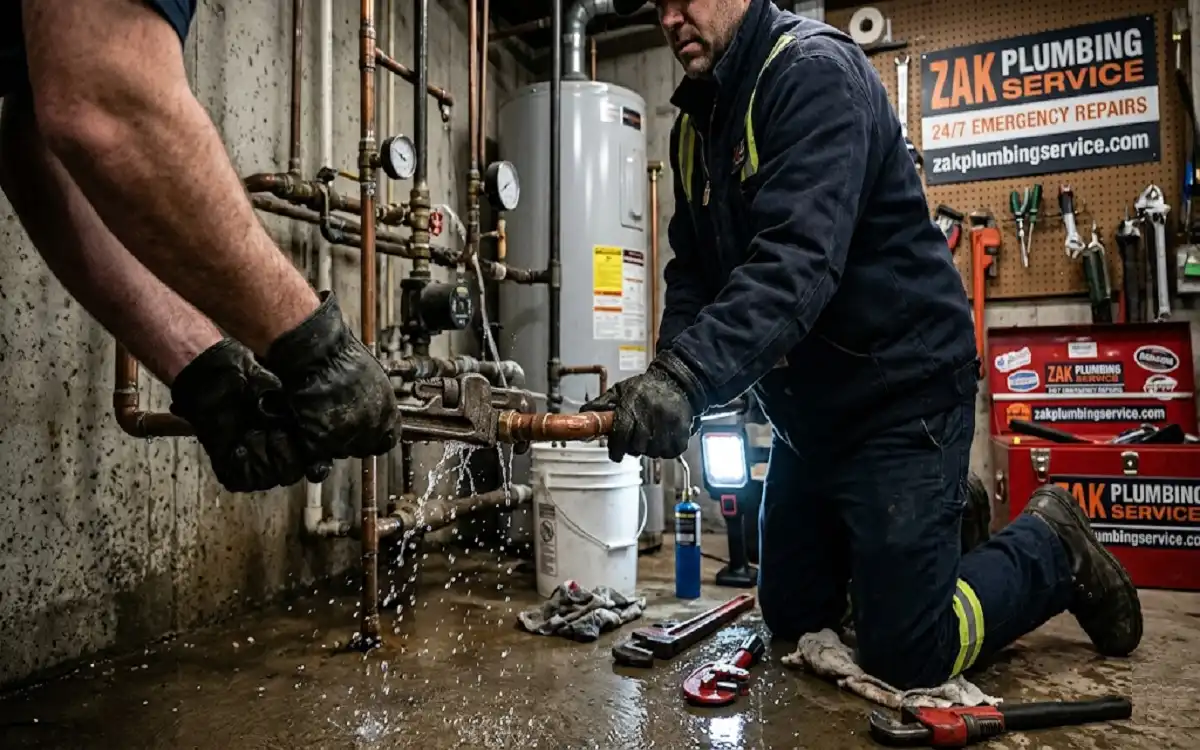
Finding a puddle of water in the middle of your kitchen or hearing the dreaded “gush” of a burst pipe behind a wall is enough to make anyone panic. When water is flowing where it shouldn’t, time is your biggest enemy. You don’t just need a fix, you need an emergency plumber who can get there fast.
But what do you do while you’re waiting for the van to pull into your driveway? In 2026, we have more tools than ever to handle these crises, from AI-powered leak sensors to quick-seal tapes that can save your floors. If you act quickly, you can turn a potential disaster into a minor hiccup. Here are the 7 ultimate tips to stop a stressful leak instantly.
Read: How to Unclog a Drain: 7 Powerful Secrets to Fix Your Frustrating Sink
Locating Your Main Water Shut-Off Valve Quickly
The very first thing you must do when you see water spraying is to cut off the source. Every second the water is running, your repair bill is climbing. Most homes have a main shut-off valve located near the water meter or where the main line enters the house. It is usually a red lever or a round wheel. Turning this clockwise will stop all water flow to the building.
If the leak is only at a specific fixture, like a toilet or a sink, look for the small silver valves directly behind or under the unit. In 2026, many modern homes are now equipped with remote shut-off valves that you can control via an app. If you have one of these, you don’t even need to run to the basement, just tap a button on your phone.
Read: Ultimate Water Hammer Arrestor: 7 Shocking Fixes Exposed
Why You Must Call an Emergency Plumber Immediately
Once the water is off, your next call should be to a professional. You might be tempted to wait until morning to save on “after-hours” fees, but that is often a mistake. Water hides in walls, under floorboards, and inside insulation. Even a small amount of trapped moisture can lead to toxic mold growth within 24 to 48 hours.
An emergency plumber has the specialized tools, like thermal imaging cameras, to see exactly where the water has traveled. They can also check for secondary issues like electrical hazards or weakened structural beams. Getting an expert on-site within an hour or two can save you tens of thousands of dollars in long-term restoration costs. Plus, most insurance companies require proof that you took immediate action to mitigate the damage.
2026 Tech: Using Smart Sensors to Spot Leaks
The biggest change in plumbing for 2026 is the rise of AI-driven leak detection. Many homeowners are now installing “Leak Bots” or smart monitors like the Phyn or Moen Flo. These devices live on your main water line and monitor pressure drops. If a pipe bursts while you are at work, the system will automatically shut the water off for you and send an alert to your emergency plumber of choice.
If you don’t have a whole-home system, you can buy “puck” sensors for about $30. Place these under your refrigerator, water heater, and dishwasher. They connect to your Wi-Fi and scream an alarm the moment they detect moisture. This early warning system is the difference between a dry floor and a ruined basement.
Read: How to Fix a Running Toilet: 7 Simple Steps to Stop Wasting Water
Essential Emergency Plumbing Kit Items
Instead of a table, here are the vital items you should keep in your “Oh No” kit, updated for 2026 standards:
- Silicone Repair Tape: This self-fusing tape works even on wet pipes and can hold back significant pressure temporarily.
- Adjustable Wrench: A basic tool for tightening loose supply lines under sinks or toilets.
- Smart Leak Pucks: Battery-operated sensors that alert your phone the second they touch water.
- Heavy Duty Buckets: Always have two 5-gallon buckets ready to catch drips and prevent floor warping.
- Manual Pipe Clamps: Small metal sleeves that can be bolted over a pinhole leak in a copper pipe.
- Disposable Absorbent Pads: These are more effective than towels, as they can soak up gallons of water without leaking back out.
Temporary Fixes Until the Emergency Plumber Arrives
While you wait for help, you can use a few DIY tricks to keep things stable. If you have a small pinhole leak, you can use a piece of rubber (like from an old bike tube) and a C-clamp to create a temporary seal. Wrap the rubber tightly around the pipe and tighten the clamp over the hole. This isn’t a permanent fix, but it stops the spraying.
Another great 2026 hack is using epoxy putty. You simply knead the two parts together and press it onto the dry pipe. It hardens like steel in about 15 minutes. Just remember to tell your emergency plumber exactly what you used so they can safely remove it and perform a proper weld or replacement.
Read: How to Unclog a Toilet: 7 Proven Ways Fast
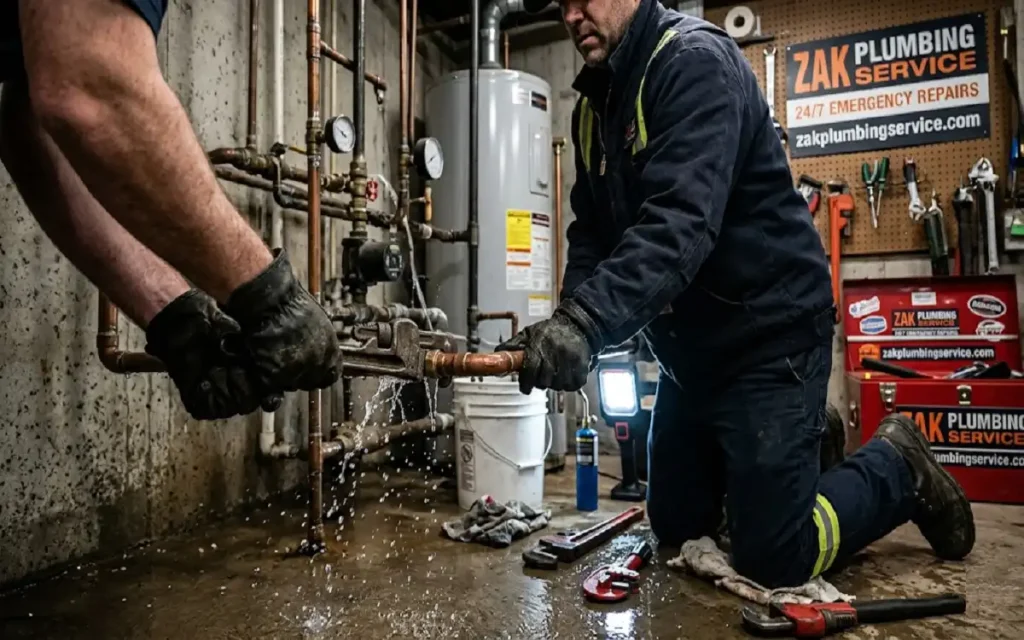
How to Protect Your Home from Water Damage
After the leak is stopped, the cleanup begins. Use a wet/dry vacuum to get as much standing water up as possible. Don’t just rely on towels, they get heavy and stop absorbing quickly. Open windows and set up high-power fans to create a cross-breeze.
If water has gotten into your carpet, you need to pull the edges back to let the padding breathe. If the leak happened near an outlet, go to your breaker box and shut off the power to that room. Water and electricity are a deadly mix, so never step into a flooded room if the power is still on.
Read: Plug for a Bathtub: 7 Ultimate Solutions for a Perfect, Leak-Free Soak
Summary of Emergency Actions
To recap, if a pipe fails, stay calm. Shut off the water, call a certified emergency plumber, and start the drying process immediately. Use modern tools like smart sensors and repair tapes to your advantage. Your house is likely your biggest investment, so don’t let a small pipe failure turn into a total loss.
Check your plumbing once a year for corrosion or green “crust” on the joints. Being proactive is much cheaper than being reactive. Keep the number for Zak Plumbing Service on your fridge so you aren’t searching for a pro while your house is underwater. Stay dry out there, and remember that acting fast is the key to a successful repair.
For More Details Visit Zak Plumbing Service Contact Page