How to fix a running toilet? There is a specific kind of stress that comes from a toilet that just won’t stop running. It starts as a quiet hiss, then becomes a constant trickle that follows you through the house. Not only is it annoying, but it is also a massive waste of water. In fact, a running toilet can waste hundreds of gallons of water a day, which is basically like throwing cash into the sewer.
Read: Plug for a Bathtub: 7 Ultimate Solutions for a Perfect, Leak-Free Soak
Most people think they need to call a plumber immediately, but honestly, you can usually fix this yourself in about fifteen minutes. You do not need a fancy degree in engineering, just a little bit of patience and maybe a pair of pliers. At Zak Plumbing Service, we want you to feel empowered to handle the small stuff. This guide will walk you through the modern 2026 way to get your bathroom back to being quiet and efficient.
Read: How to Unclog a Toilet: 7 Proven Ways Fast

Why You Should Care About How to Fix a Running Toilet Right Now
In 2026, water conservation is more than just a trend, it is a necessity. With the rise of tiered water pricing and new smart home regulations, a small leak can lead to a surprisingly high bill. Before we dive into the tools, you should know that most toilet issues come down to three main parts: the flapper, the fill valve, or the float.
When you learn how to fix a running toilet, you are not just saving money, you are also protecting your home from potential water damage. Sometimes, a “run” is actually a sign of an internal overflow that could eventually leak onto your bathroom floor. Trust me, I have seen enough soggy subfloors to know that a quick check today saves a massive headache tomorrow.
Read: Flushing Away Clogs: 7 Ultimate Secrets for an Effortless Shower Drain
Step 1: Check the Flapper and Chain
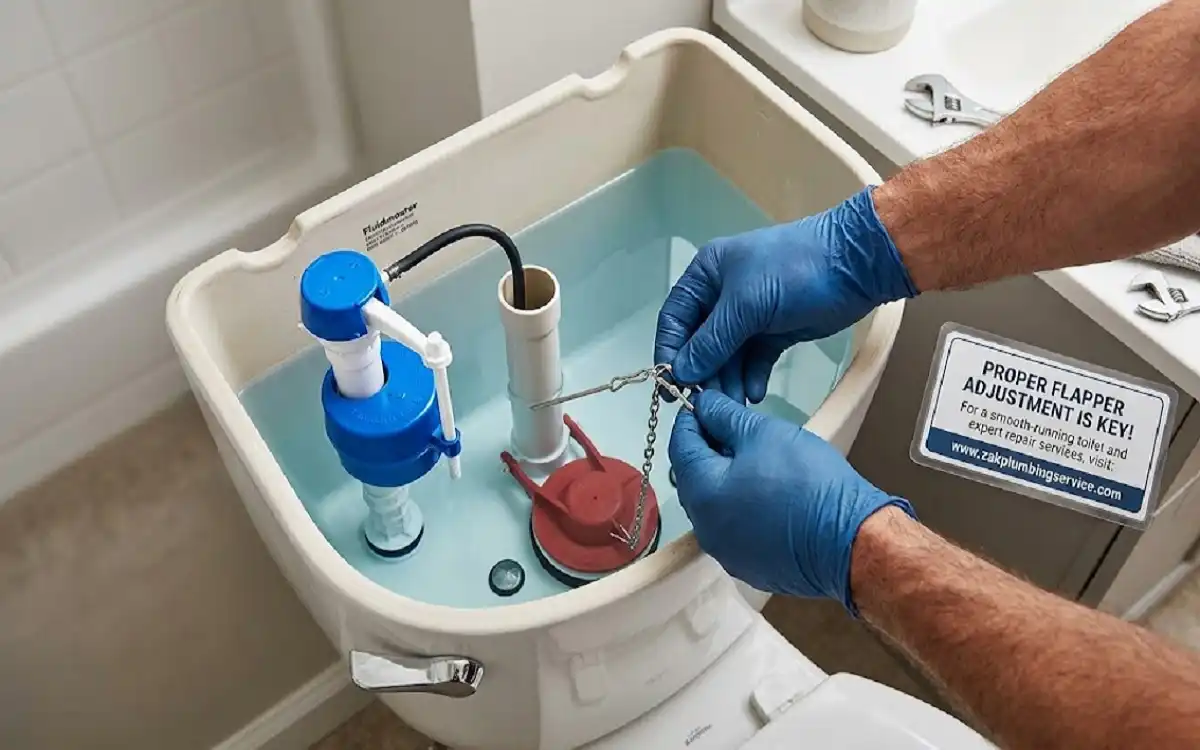
The flapper is that rubber plug at the bottom of the tank. Over time, the rubber gets hard or covered in mineral buildup, which prevents it from making a tight seal. First, take the lid off the tank and set it somewhere safe, like on a towel. If the flapper is warped, it is time to grab a new one.
Also, look at the chain. If it is too long, it can get caught under the flapper. If it is too short, it will pull the flapper up constantly. You want just a tiny bit of slack, about half an inch, so the seal stays tight when you are not flushing.
Step 2: Adjust the Float Level
If you see water spilling into the tall, open tube in the middle of the tank (the overflow tube), your water level is too high. This is usually because the float is set incorrectly. Most 2026 models use a “float cup” that slides up and down on the fill valve. To fix this, look for the plastic screw or clip on the side.
Give it a few turns to lower the float. This tells the water to stop filling earlier. You want the water level to be about an inch below the top of that overflow tube. It is a simple adjustment that fixes about half of the “running” problems I see.
Read: Shower Drain Unblocker: 7 Powerful Ways to Instantly Clear Clogs
Step 3: Troubleshooting Guide (Key Points)
Instead of a table, here are the most common things to check if your toilet is acting up:
- The Phantom Flush: Usually caused by a worn-out flapper that lets water seep into the bowl slowly.
- The Hissing Sound: Often a sign that the fill valve is not closing properly or the water pressure is too high.
- The Constant Trickle: This usually means the water level in the tank is too high and is spilling into the overflow tube.
- The Loose Handle: If the handle feels limp, the lift chain might be disconnected or snapped.
- Smart Alerts: In 2026, many homes have “Leak Bots” or smart sensors. If your phone app says there is a leak but you do not see one, check the refill tube first.
Modern Upgrades: How to Fix a Running Toilet with 2026 Tech
This year, we have seen a huge shift toward smart plumbing. Many homeowners are now installing ultra-quiet fill valves, like the ones from TOTO or Kohler, which have built-in leak detection. If your toilet is still running after the basic steps, it might be time to look at a “Smart Leak Bot.” These tiny sensors sit near the base and alert your phone if they detect moisture or unusual vibration in the pipes.
Another big update in 2026 is the use of “Viton” rubber flappers. Unlike the old red rubber ones, these are resistant to the harsh chemicals and chlorines found in modern city water. If you are heading to the hardware store, ask for a chemical-resistant model. It might cost a few dollars more, but it will last twice as long.
Read: How to Unclog Toilet Bowl Without Plunger: 5 Epic Tricks That Work Fast
Step-by-Step Guide to a Permanent Fix
- Turn off the Water: Find the silver handle behind the toilet and turn it clockwise until it stops. This prevents any messy surprises.
- Drain the Tank: Flush the toilet and hold the handle down to get as much water out as possible.
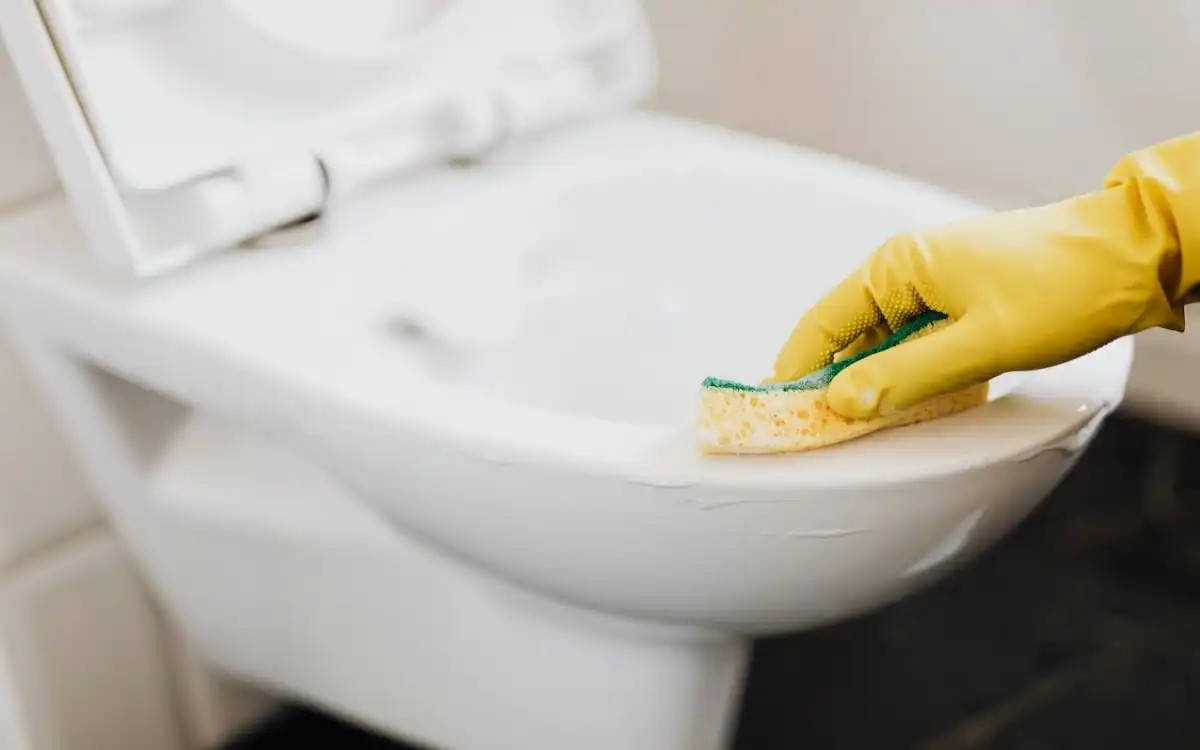
- Inspect the Seal: Run your finger along the rim where the flapper sits. If it feels rough, clean it with a sponge.
- Replace Parts if Needed: If the flapper is slimy or cracked, pop it off the pegs and snap a new one on.
- Check the Refill Tube: Make sure the small plastic tube is clipping onto the overflow pipe and not shoved too far down inside it, which can cause a siphoning effect.
- The “Silent” Test: Turn the water back on and wait for the tank to fill. Once it stops, wait five minutes. If you hear a click or a hiss, you still have a tiny leak.
- Food Coloring Trick: Drop three drops of blue food coloring into the tank. Do not flush. If the water in the bowl turns blue after ten minutes, your flapper is still leaking.
Read: What is a P Trap? 7 Shocking Plumbing Secrets Revealed
When to Call the Pros
If you have tried all these steps and the water is still running, or if you see water pooling around the base of the toilet, it is time to call a professional. Sometimes the issue is a cracked flush valve or a failing wax ring, which requires lifting the whole toilet off the floor.
At Zak Plumbing Service, we are always here to help with the big stuff. But for most of you, following these simple steps will get your bathroom quiet again. Remember, a quiet toilet is a happy wallet! Don’t let a small leak turn into a big bill. Take ten minutes this weekend to check your tank, your future self will thank you.
For More Details Visit Zak Plumbing Service Contact Page