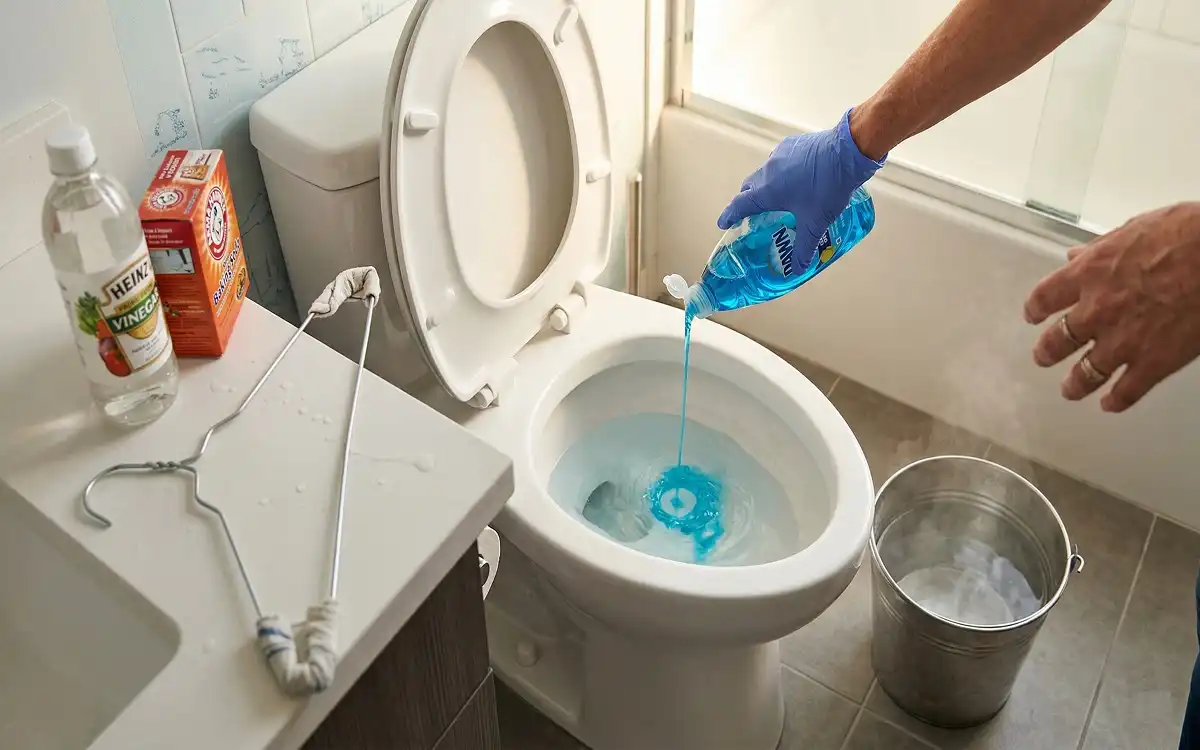
Have you ever been lying in bed at 2:00 AM only to hear that ghostly “hiss” coming from the bathroom? It is one of the most annoying sounds a homeowner can face. Honestly, How to Fix a Running Toilet is more than just a noise, it is a literal drain on your wallet.
By the time we have reached 2026, water costs have risen significantly, and letting a leak go for even a week can add a surprising amount to your monthly bill. At Zak Plumbing Service, we believe you should not have to be a master plumber to handle the basics.
Understanding the Anatomy: Why is My Toilet Running?
Before we dive into the fixes, you need to know what is happening inside that porcelain tank.
Most people are afraid to touch the “guts” of a toilet, but it is actually a very simple gravity-powered machine.
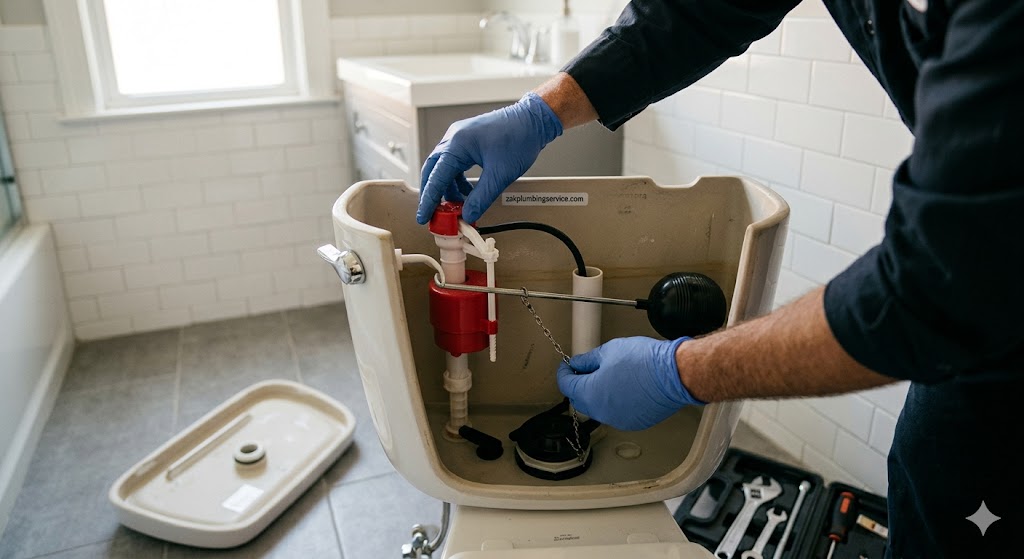
You have the fill valve, which brings water in, and the flush valve, which lets water out. Between them sits the flapper, which is a rubber plug that acts as a gatekeeper.
If any of these parts fail to align or seal, you get a “running” situation where water constantly escapes into the bowl.
7 Expert Hacks for How to Fix a Running Toilet
If you want to know how to fix a running toilet without calling for backup immediately, follow these seven tested hacks. Most of these take less than ten minutes and require zero special tools.
Hack 1: The Chain Check
The first thing you should check for how to fix a running toilet is the lift chain. This is the little metal chain connecting your flush handle to the flapper. If the chain is too tight, it keeps the flapper from closing all the way.
If it is too long, it can actually get caught under the flapper seal. You want just a tiny bit of slack, maybe about half an inch, so the flapper can drop straight down and create a tight seal.
Hack 2: Inspecting the Flapper Seal
If the chain looks good but you still hear water, the flapper is usually the culprit. Over time, the rubber becomes hard or “slimy” due to minerals in the water. To test this, push down on the flapper with a screwdriver while the toilet is running.
If the noise stops, the seal is bad. In 2026, many new flappers are made of chemical-resistant silicone which lasts much longer than the old red rubber ones. Swapping one out is as simple as unhooking the old one and snapping the new one into place.
Hack 3: Adjusting the Float Height
Sometimes the toilet runs because the water level is simply too high. If the water reaches the top of the overflow tube (the open pipe in the middle), it will drain out forever.
You can see how to fix a running toilet by adjusting the float. On older models, you bend the brass rod down.
On modern 2026 fill valves, there is usually a plastic screw you turn with your fingers. Aim for the water level to be about one inch below the top of the overflow tube.
Hack 4: Cleaning the Valve Seat
Even a brand new flapper will leak if the “seat” it sits on is dirty. Minerals like calcium can build up on the rim of the flush valve.
To fix this, turn off the water and drain the tank.
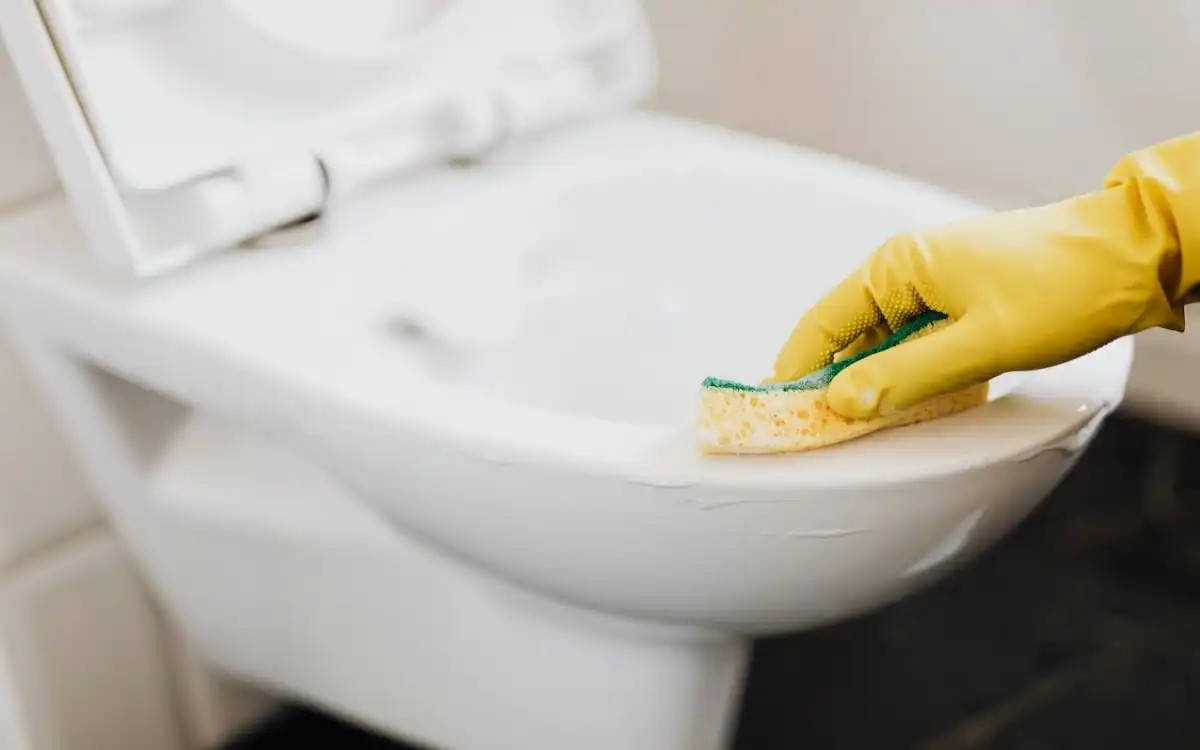
Take a green scrubbing pad and gently wipe the rim where the flapper rests. Removing that invisible grit can often stop a leak that seemed impossible to find.
It is a simple trick that most “pro” guides forget to mention.
Hack 5: The Refill Tube Position
There is a small flexible tube that runs from the fill valve to the overflow pipe. If this tube is pushed too far down into the pipe, it can actually create a siphon effect.
This pulls water out of the tank and causes the fill valve to kick on every few minutes. To fix this, make sure the tube is clipped to the top of the overflow pipe and is not submerged in the water.
It sounds like a small detail, but it solves a lot of “mystery” leaks.
Hack 6: 2026 Tech Upgrade, Ultrasonic Leak Sensors
Since we are in 2026, we have to talk about the latest tech. If you are tired of checking the tank manually, you can now install “smart” leak detectors.
These devices use ultrasonic waves to monitor the flow of water. If the toilet runs for more than 30 seconds, it sends an alert to your phone.
Some advanced models, like the latest Moen Flo updates, can even shut off the water to that specific toilet automatically if a leak is detected.
Hack 7: Installing a High-Pressure Fill Valve
If your fill valve is hissing or vibrating, it might be time for a total replacement. The 2026 standard for fill valves is the “Universal Ultra-Quiet” model.
These are designed to handle high-pressure municipal water without the loud banging sounds (water hammer) that older valves produce.
Replacing a fill valve is easy, just unscrew the nut at the bottom of the tank, pull the old one out, and pop the new one in. Just remember to put a bucket underneath to catch the drips!
Troubleshooting Guide: Common Parts and Solutions
Instead of a confusing chart, here is a quick breakdown of what to look for based on what you hear:
- Continuous Hissing: This usually means the water level is too high or the fill valve is broken. Check the float height first.
- Intermittent Running (The Phantom Flush): This is almost always a flapper issue. The tank is slowly leaking into the bowl until it hits a level where the fill valve has to “top it off.”
- Vibrating or Shaking Sounds: This points to a failing fill valve diaphragm. It is usually easier to replace the whole valve than to fix the internal seal.
- Water Leaking Outside the Tank: This is more serious and usually means the tank-to-bowl bolts or the wax ring are failing. This might be the time to call a pro.
Modern Water Conservation in 2026
In the current year, water conservation is not just about being green, it is about staying compliant with new building codes.
Many cities now require “Low-Flow” or “Dual-Flush” systems. If your toilet is more than 10 years old, it might be using 3.5 gallons per flush, whereas modern ones use only 1.28 gallons.
Learning how to fix a running toilet is great, but sometimes upgrading the whole unit is the smarter financial move in the long run.
Finally
Fixing a running toilet does not have to be a nightmare. Most of the time, a quick adjustment to the chain or a $10 flapper from the hardware store is all you need to restore peace and quiet to your home.
However, if you have tried these hacks and the water is still running, or if you see water pooling on the floor, do not risk damage to your subfloor.
At Zak Plumbing Service, we are always ready to help with the tough stuff. Whether you need a 2026 smart-home plumbing integration or just a stubborn leak fixed, our team has the tools and the expertise to get it done right the first time.
Stay dry, and stop that leak!
For More Details Visit Zak Plumbing Service Contact Page