Do you know how to unclog a drain? Having a clogged drain is honestly one of those “not today, please” moments that every homeowner dreads. One minute you are washing the dishes, and the next, you are staring at a pool of murky water that just won’t budge.
If you’re looking for how to unclog a drain without calling in a pro and spending a small fortune, you have come to the right place.
For 2026, plumbing technology has actually changed a bit. We are seeing more “smart” sensors and eco-friendly enzymes than ever before.
But let’s be real, sometimes you just need the old-school tricks that work. At Zak Plumbing Service, we want to help you handle these mini-disasters before they turn into a flooded basement.
Plumbing Supply Near Me: 10 Incredible Tips for Sourcing Top-Rated Materials
1. The Classic Plunger Move for How to Unclog a Drain
Most people think any plunger works for any hole, but that is a big mistake. For a sink, you need a flat cup plunger.
For a toilet, you need a flange plunger (the one with the extra rubber flap).
- The Secret: Make sure there is enough water to cover the head of the plunger.
- The Action: Create a tight seal and push down firmly but pull up with even more force. It is the suction pulling up that usually breaks the clog loose.
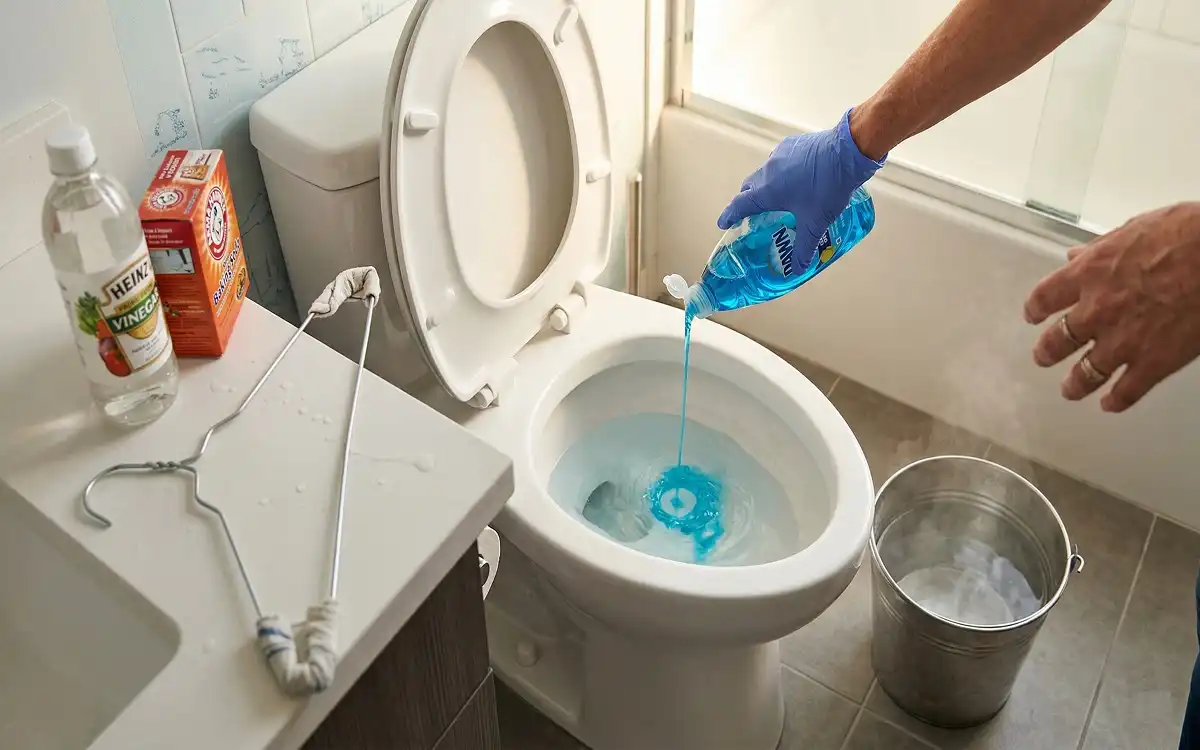
2. The 2026 “Green” Fizz (Baking Soda and Vinegar)
In 2026, everyone is moving away from those harsh, pipe-eating chemicals. A favorite method for how to unclog a drain naturally is the volcano effect.
- Dump half a cup of baking soda down the drain.
- Follow it with half a cup of white vinegar.
- Wait for about 15 to 20 minutes while it bubbles.
- Flush it with hot water (not boiling if you have PVC pipes!).
3. Use a Zip-it Tool or Hair Snake
If your bathroom sink or shower is slow, the culprit is almost always a “hair monster.” You can buy a cheap, plastic barbed tool called a Zip-it.
You just slide it in, wiggle it, and pull. It is disgusting what comes out, but it’s incredibly effective.
4. The Wet and Dry Vacuum Trick
This is a pro-level move for how to unclog a drain. If you have a shop vac that can handle liquids, set it to “wet” mode.
Create a tight seal over the drain (you can use a plunger head to help) and turn it on high. The vacuum can often suck the clog right out rather than pushing it deeper.
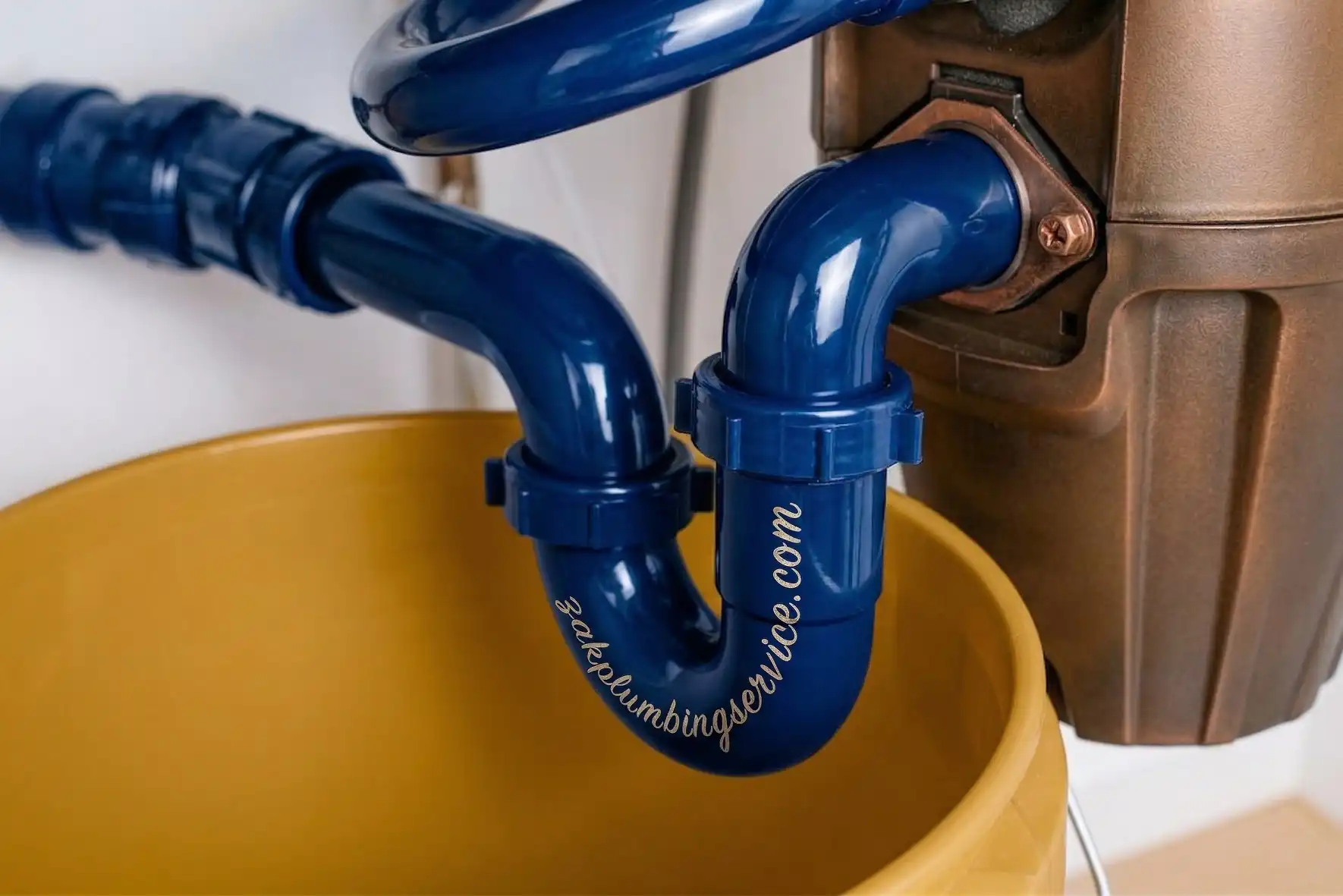
5. Checking the P-Trap (The U-Shaped Pipe)
Sometimes the clog is sitting right under your sink in that curved pipe.
- Place a bucket underneath.
- Unscrew the plastic nuts by hand.
- Remove the “U” section and dump the gunk into the bucket.
- Pro Tip: Clean the pipe with an old toothbrush while it is off.
6. Boiling Water (With a Warning!)
This is the simplest way for how to unclog a drain if the blockage is just old grease or soap scum. However, as of the latest 2026 plumbing standards, we warn against using truly boiling water if you have plastic (PVC) pipes. It can soften the joints. Use very hot tap water instead.
7. Bio-Enzyme Cleaners Over Chemicals
Stop buying those “Max Strength” acid cleaners. They destroy your pipes over time. In 2026, we recommend bio-enzyme cleaners.
These contain “good” bacteria that literally eat the organic waste (hair, food, mold) without hurting your plumbing.
8. The Bent Wire Hanger
If you don’t have a professional snake, a wire coat hanger can do the job. Straighten it out but leave a small hook at the end.
Fish it down and try to “hook” the clog. Just be careful not to push the clog further down.
9. Dish Soap and Hot Water
For kitchen clogs caused by grease, dish soap is your best friend. It is designed to break down fat. Pour a good amount of grease-cutting soap down the drain, let it sit for 10 minutes, and then flush with hot water.
10. Smart Water Sensors for Prevention
The best way to handle a clog is to never have one. In 2026, many homeowners are installing smart leak and pressure sensors.
These tiny devices clip onto your pipes and alert your phone if the pressure changes, which is a huge sign that a clog is forming.
Important Tools and Their Uses: How to Unclog a Drain
Instead of a complex table, here is a quick breakdown of what you need for different situations:
- Flat Cup Plunger: Best for kitchen sinks and bathtubs where the surface is flat.
- Flange Plunger: Specifically shaped for toilets to ensure a vacuum seal.
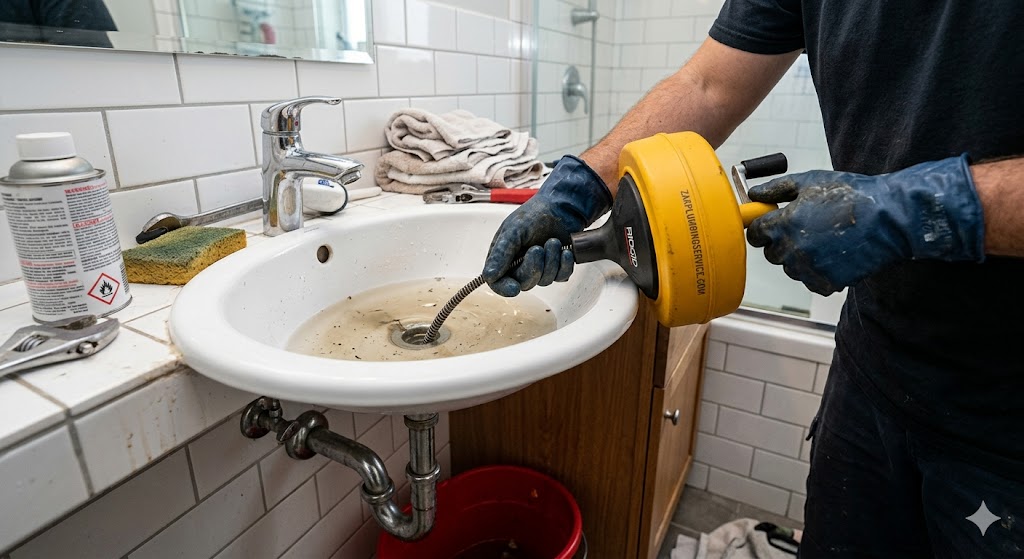
- Plumber’s Auger (Snake): Use this for deep clogs that a plunger can’t reach.
- Baking Soda & Vinegar: Great for weekly maintenance to keep smells away and pipes clear.
- Bio-Enzymes: The safest long-term choice for older homes with sensitive pipes.
- Handheld Hair Tool: Your go-to for shower drains every few months.
Why You Should Avoid Chemical Cleaners
We see it all the time at Zak Plumbing Service. People use a bottle of heavy chemicals, it doesn’t work, and then they call us.
Now, we have to deal with a sink full of “acid water” which is dangerous for our skin and your pipes. These chemicals generate heat that can actually crack your porcelain or melt your seals.
Knowing When to Call Zak Plumbing Service
If you have tried the plunger, the snake, and the fizz, and the water still isn’t moving, you might have a main line backup.
If water is coming up in the shower when you flush the toilet, that is a major red flag. Don’t risk a “disastrous backup” that ruins your flooring.
Keep these tips in mind, and you’ll be the hero of your household. Just remember, a little bit of care today saves a lot of money tomorrow!
For More Details Visit Zak Plumbing Service Contact Page