Slow drains, gurgling toilets, and a soggy yard often point to one thing.
Your tank is full.
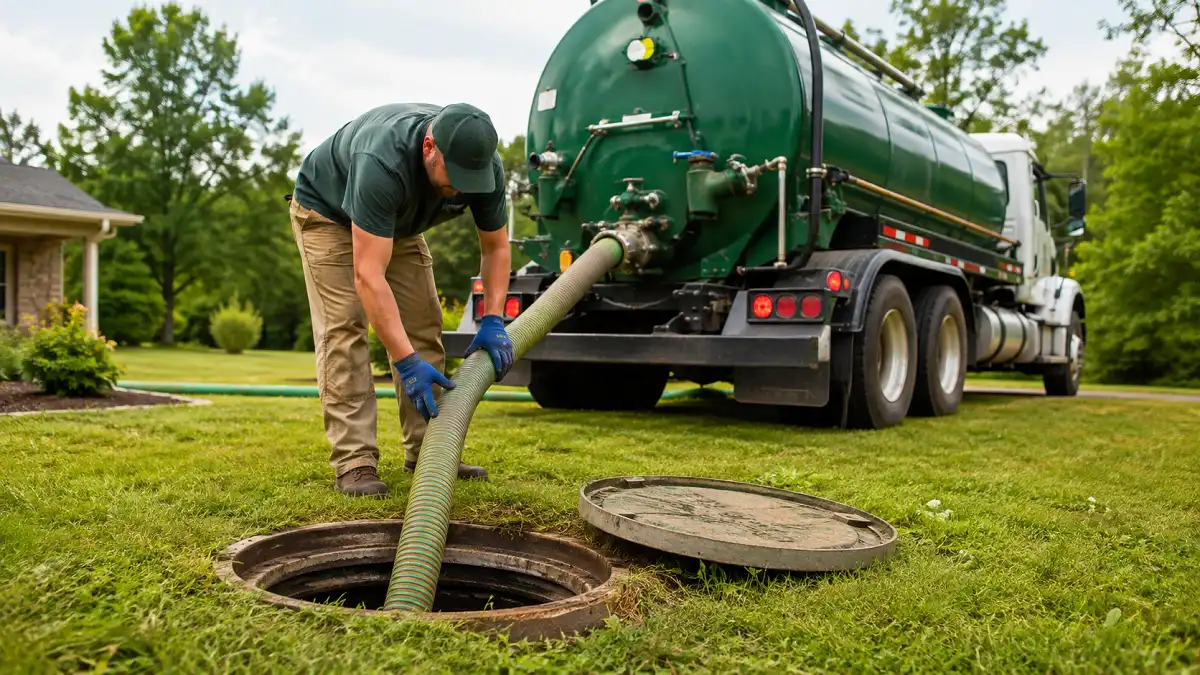
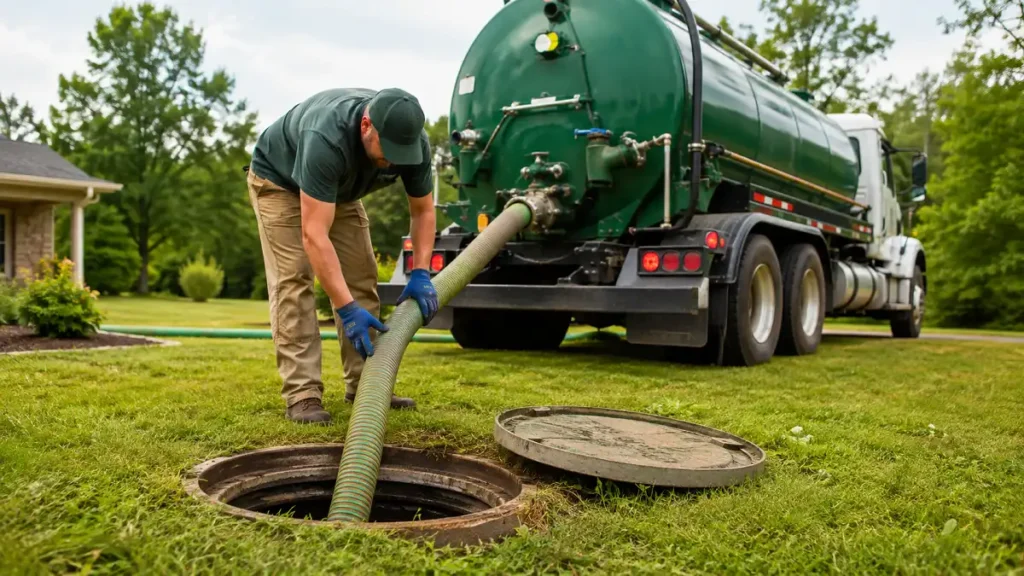
A timely septic tank pump out clears built-up solids before they reach your drainfield.
Our plumbers at Zak Plumbing Service see this pattern across Texas homes every week.
Find a 24 Hour Plumber Near Me Fast in Texas
Key Highlights for Texas Homeowners
- Most Texas households need a septic tank pump out every 3 to 5 years, depending on tank size and use.
- Warning signs like sewage backup, foul odors, and standing water mean you should act quickly.
- Regular septic system maintenance helps protect your drainfield, which is the most expensive part to replace.
Why Pump-Out Timing Matters in Texas
Texas soil and heat affect how your system breaks down waste.
Heavy clay soils near Houston and Dallas drain slowly, so solids build up faster.
When a tank overfills, sludge flows into the drainfield and clogs it.
According to the Texas Commission on Environmental Quality, on-site sewage facilities must be maintained to protect groundwater.
Our experience in Texas homes suggests that skipping a pump-out is the most common cause of system failure.
A full pump tank cannot separate waste properly.
That failure can cost far more than routine service.
How Often to Schedule a Septic Tank Pump Out
Pumping frequency depends on tank size and how many people live in your home.
The table below reflects general ranges we use when advising clients.
The EPA SepticSmart program offers similar guidance for household planning.
| Household Size | Tank Size (Gallons) | Recommended Pump-Out Interval | Texas Climate Note |
|---|---|---|---|
| 1 to 2 people | 750 | Every 5 to 6 years | Lower load, but check for grease buildup |
| 3 to 4 people | 1,000 | Every 3 to 4 years | Standard interval for most suburbs |
| 5 to 6 people | 1,250 | Every 2 to 3 years | Higher use shortens the cycle |
| 7 or more | 1,500+ | Every 1 to 2 years | Frequent monitoring advised |
These are starting points, not fixed rules.
A drainfield inspection during each visit helps confirm the right schedule for your property.
Find and Fix Your Water Shut Off Valve Fast
Warning Signs vs. Practical Solutions
Catching problems early can save your drainfield.
Our team observed that most emergency calls trace back to signs homeowners noticed but ignored.
The Texas A&M AgriLife Extension publishes helpful resources on recognizing these symptoms.
| Warning Sign | Likely Cause | Recommended Solution |
|---|---|---|
| Gurgling drains | Tank near capacity | Schedule a septic tank pump out |
| Slow-flushing toilets | Sludge blocking outlet | Sludge removal and line check |
| Sewage backup indoors | Full tank or clogged pipe | Emergency pumping plus inspection |
| Standing water over drainfield | Effluent surfacing | Drainfield inspection and possible repair |
| Foul odor near yard | Cracked lid or failing baffle | Component repair and cleaning |
| Bright green grass patches | Excess effluent leaking | Assess effluent filter and load |
If you are dealing with any of these signs, do not wait for the problem to worsen.
Early sludge removal is usually cheaper than drainfield replacement.
Septic Tank Pump Out Cost Breakdown
Pricing varies by tank size, access, and how much sludge has built up.
The figures below reflect typical Texas ranges we see across service areas.
| Service | Typical Cost Range | What It Covers |
|---|---|---|
| Standard septic tank pump out | $300 to $600 | 1,000 to 1,250 gallon tank |
| Large tank pumping | $500 to $900 | 1,500+ gallon tanks |
| Emergency pumping | $450 to $1,000 | Same-day sewage backup response |
| Drainfield inspection | $150 to $450 | Assessment and reporting |
| Effluent filter cleaning | $100 to $250 | Filter service and replacement |
| Baffle or lid repair | $200 to $600 | Component repair |
Costs rise sharply once a drainfield fails.
A full drainfield replacement can run $5,000 to $20,000 in Texas.
Routine septic system maintenance helps you avoid that outcome.
Find the Best Plumbers Near Me in Texas
Troubleshooting Steps Before You Call
Some issues have simple causes you can check first.
Others need a professional right away.
The Ground Water Association supports careful monitoring of on-site systems.
| Step | What to Check | Action |
|---|---|---|
| 1 | Water use timing | Spread out laundry and showers |
| 2 | Effluent filter | Clean if accessible and safe |
| 3 | Tank lid and access | Look for cracks or pooling |
| 4 | Drain speed indoors | Note which fixtures are slow |
| 5 | Service records | Confirm last pump-out date |
If backups continue after these checks, the tank likely needs service.
At that point, professional sludge removal is the safer path.
When to Call Zak Plumbing Service
Some situations should not wait.
Our plumbers at Zak Plumbing Service recommend calling right away in these cases.
- Sewage backup into sinks, tubs, or floor drains
- Standing water or strong odors over the drainfield
- No pump-out record in the past five years
- Repeated slow drains after basic troubleshooting
- Selling a home that requires a drainfield inspection
Staying Compliant With Texas Septic Regulations
On-site sewage facilities in Texas fall under state and county rules.
The TCEQ On-Site Sewage Facility Program sets standards for maintenance and inspection.
Many counties also require permits for repairs or new installs.
Find a Plumbing Supply Store Near Me Fast
Keeping records of every pump-out protects you during home sales and inspections.
We provide documentation after each service so your file stays current.
Your Next Step
A septic tank pump out is one of the most reliable ways to protect your system and your budget.
Watch for early warning signs, follow a maintenance schedule, and keep your records updated.
Regular service helps reduce the risk of sewage backup and drainfield failure.
If you are unsure when your tank was last serviced, tell us your household size and tank location.
Our team at Zak Plumbing Service will help you set a realistic schedule and handle the next septic tank pump out for your Texas home.