If you are a homeowner, you probably do not think about your pipes until something goes wrong. It is one of those “out of sight, out of mind” things, right? But then, one day, your sink starts gurgling, or even worse, there is a smell that definitely should not be there. That is when you realize your Sewer Line Clean Out is actually the most important part of your house.
At Zak Plumbing Service, we see this all the time. People wait until they have a massive flood in their basement before they look for that little white pipe in the yard. In 2026, keeping your home running smoothly is easier than ever thanks to some cool new tech, but the basics of a Sewer Line Clean Out remain the same.
In this guide, we are going to break down everything you need to know. We will talk about what this system is, why it matters, and the three simple steps to keep it perfect. Plus, we will look at some of the latest 2026 updates in plumbing that are making life a lot easier for folks like you.
What Exactly is a Sewer Line Clean Out?
Before we get into the “how-to”, let’s talk about the “what”. A Sewer Line Clean Out is a pipe with a cap that provides direct access to your main sewer line. It is usually located outside your home, near the foundation, or sometimes in the basement.
Think of it like a “reset button” for your plumbing. When there is a clog deep underground, you cannot just use a plunger. You need a way to get tools inside the pipe to clear out the junk. That is what the Sewer Line Clean Out is for. If you do not know where yours is, now is a great time to go find it. It might be buried under some mulch or hidden behind a bush.
Why You Need a Regular Sewer Line Clean Out in 2026
You might be wondering, “Do I really need to worry about this if my toilets are flushing fine?” The answer is yes. In 2026, we are seeing more extreme weather and shifting soil, which puts a lot of stress on old pipes.
A regular Sewer Line Clean Out helps prevent:
- Raw sewage backups: This is as gross as it sounds and can cost thousands in repairs.
- Pipe damage: When a clog sits there, it creates pressure that can crack your pipes.
- Tree root intrusion: Roots love the water in your sewer lines. A clean out lets you catch them before they take over.
3 Simple Steps to a Perfect Sewer Line Clean Out System
Maintaining your system does not have to be a nightmare. If you follow these three steps, you will likely never have to deal with a major sewage disaster.
Step 1: Locate and Inspect Your Sewer Line Clean Out
The first step is simply knowing where your access point is. Once you find it, unscrew the cap. Does it look clear? Is there a weird smell? In 2026, many homeowners are now using “Smart Caps” that have sensors. These sensors can text your phone if they detect a rise in water levels. Even if you do not have a fancy cap, a quick visual check once every few months can save you a lot of headache.
Step 2: Use Modern Tools for a Deep Sewer Line Clean Out
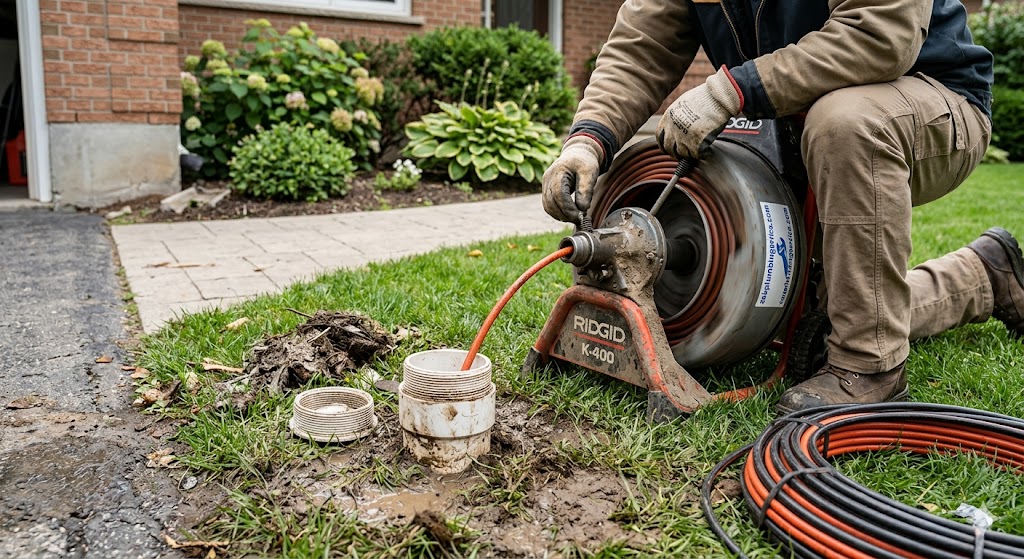
Gone are the days when you just shoved a metal wire down a pipe and hoped for the best. For a perfect system, you want to use hydro-jetting. This uses high-pressure water to blast away grease, hair, and even small tree roots. It is like a pressure washer for the inside of your pipes. If you are doing a DIY Sewer Line Clean Out, make sure you have a proper plumbing snake, but for a “perfect” system, professional hydro-jetting is the 2026 gold standard.
Step 3: Schedule Professional Sewer Line Clean Out Maintenance
The final step is the most important. You should have a professional camera inspection every year or two. A plumber can run a tiny camera through your Sewer Line Clean Out to see exactly what is happening underground. They can spot cracks or clogs before they become emergencies. It is much cheaper to pay for an inspection than it is to replace an entire sewer line that has collapsed.
Key Maintenance Details for Your System
Instead of a confusing chart, here are the most important points you need to remember for your Sewer Line Clean Out maintenance:
- Access Point Location: Usually a 4 inch diameter pipe with a threaded cap located within 3 feet of your home’s exterior wall.
- Inspection Frequency: A visual check should be done every 6 months, while a professional camera inspection is best every 2 years.
- Common Warning Signs: If multiple drains are slow or you hear gurgling in the shower when you flush the toilet, you need a Sewer Line Clean Out immediately.
- Modern 2026 Tech: Look into “Bio-Active” cleaners. These are enzymes you pour down your drain that eat away organic waste without damaging your pipes like old-school chemicals did.
- Tool Recommendation: For minor clogs, use a 50 foot manual auger. For major blocks, always call Zak Plumbing for a professional hydro-jetting service.
Common Mistakes to Avoid with Your Sewer Line Clean Out
Many people try to fix their own plumbing and end up making things worse. One big mistake is using harsh liquid drain cleaners. These chemicals are actually really bad for your pipes and the environment. In 2026, we recommend avoiding them entirely.
Another mistake is forgetting to put the cap back on tightly. If the cap is loose, dirt and rocks can get into your Sewer Line Clean Out, which creates a whole new clog that is very hard to remove. Also, don’t plant trees right next to your clean out. The roots will find their way into the pipe faster than you can say “plumbing bill”.
Conclusion: Keep Your Home Safe and Clean
Taking care of your Sewer Line Clean Out is one of those adult responsibilities that actually pays off. By following these three steps, locating, cleaning, and maintaining, you ensure that your home stays a happy, clog-free place.
Plumbing technology in 2026 has made it so we don’t have to guess what is happening underground anymore. With smart sensors and high-tech cameras, a perfect system is within reach for every homeowner. Don’t wait for a puddle in your yard or a backup in your tub. Take a look at your Sewer Line Clean Out today and give your pipes the love they deserve.
If you ever get stuck or need a professional eye, Zak Plumbing Service is always here to help you out. Keep those lines clear and your home will thank you!