Finding standing water in your sink is one of those small domestic tragedies that can really ruin a Tuesday morning. It starts with a slow swirl, then a gurgle, and suddenly you are staring at a pool of murky water that refuses to move. Whether it is hair in the bathroom or grease in the kitchen, a clogged drain is a universal headache. But before you panic and call in the pros, there are several things you can try yourself.In this guide, we are going to walk through exactly how to unclog a sink using methods that actually work in 2026. From classic tools to the latest eco-friendly tech, we have got you covered.
Understanding the Basics: Why Sinks Clog
Before we dive into the “how,” let’s talk about the “why.” Most clogs are not sudden accidents, they are a build-up over time. In the kitchen, it is usually fats, oils, and grease (often called FOG) that solidify inside the pipes. In the bathroom, it is almost always a combination of hair, soap scum, and toothpaste.
Knowing how to unclog a sink effectively requires knowing what you are fighting. If the water is draining slowly, you have a partial clog. If it is sitting completely still, you have a full blockage.
The 2026 Update on Drain Care
This year, there has been a big shift away from harsh chemical cleaners. Not only are they bad for the environment, but we now know they can actually eat away at modern PEX and PVC piping over time. The “Ultimate Easy Steps” we use today focus on mechanical removal and enzyme-based solutions that keep your plumbing healthy for the long haul.
Step 1: The Boiling Water Blast
The simplest way regarding how to unclog a sink is often the most overlooked. If your pipes are metal (copper or galvanized), boiling water can melt away grease or soap residue that is holding a clog together.
- Boil a full kettle of water.
- Pour it slowly down the drain in three stages, waiting a few seconds between each pour.
- Warning: If you have PVC pipes, do not use boiling water as it can soften the plastic joints. Use hot tap water instead.
Step 2: The Baking Soda and Vinegar Reaction
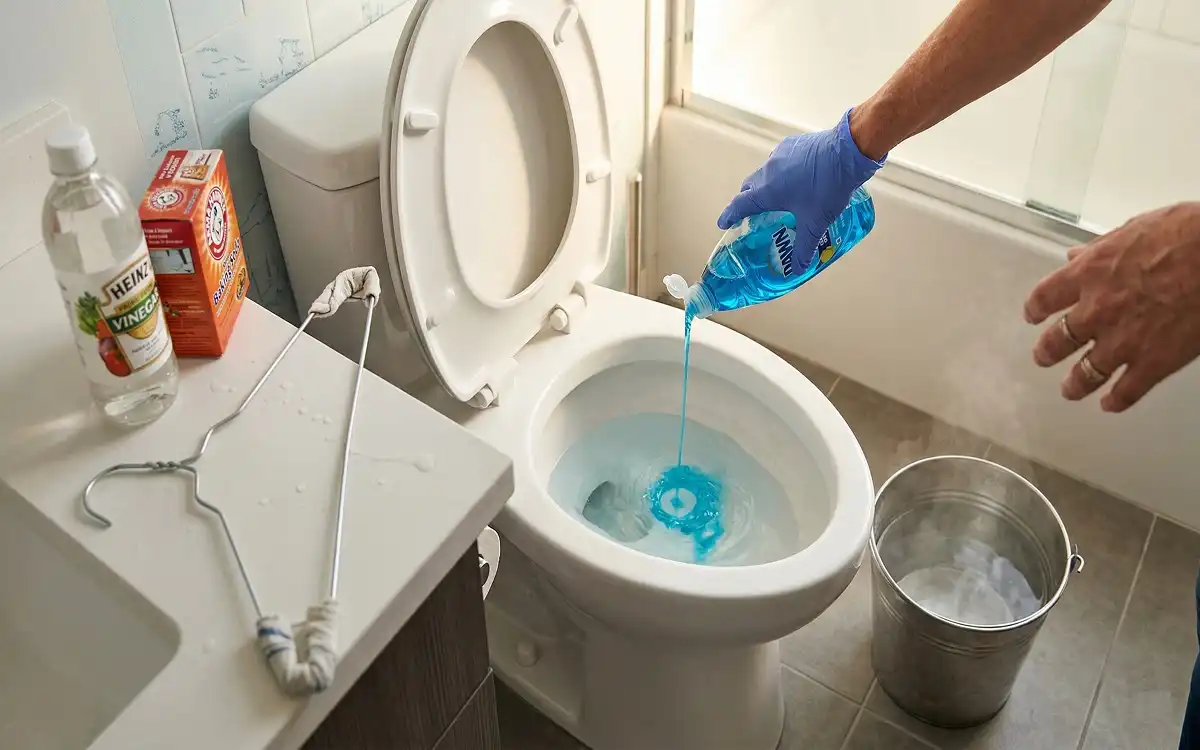
If the water didn’t do the trick, it is time for some kitchen chemistry. This is a classic for a reason. It is non-toxic and surprisingly effective for light organic clogs.
- Pour half a cup of baking soda down the drain.
- Follow it with half a cup of white vinegar.
- Plug the drain and let it sit for 20 minutes.
- Flush with hot water.
When you are learning how to unclog a sink, this “volcano” effect is great for breaking up the gunk that sticks to the side of the pipes.
Step 3: Using a Plunger Correctly
Most people think plungers are just for toilets, but a small cup plunger is a vital tool for how to unclog a sink.
- Remove the sink stopper.
- Fill the sink with enough water to cover the head of the plunger.
- If you have a double sink, plug the other side with a wet rag to ensure the pressure goes toward the clog.
- Give it several fast, sharp plunges. The suction is what actually pulls the clog apart.
Step 4: The Zip-It Tool or Drain Snake
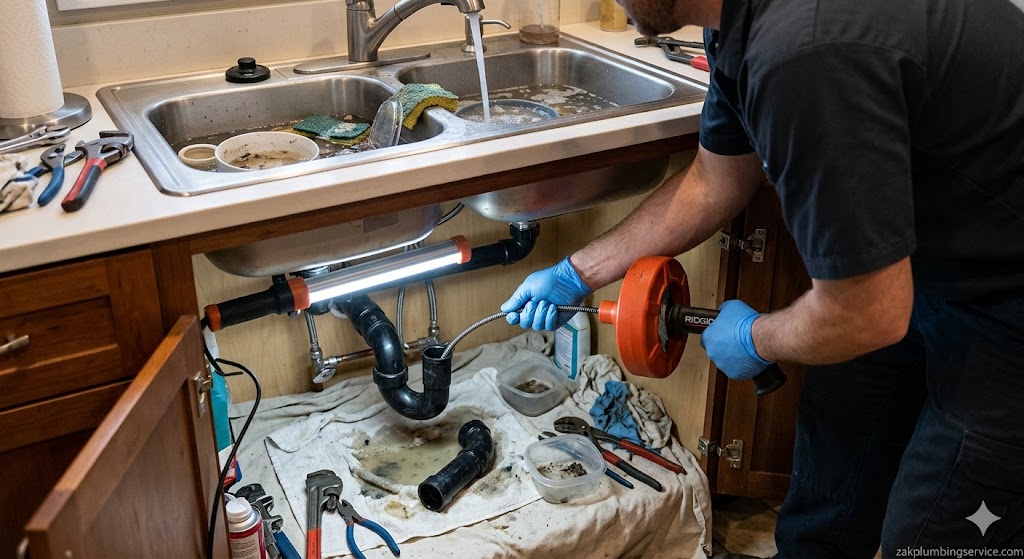
Sometimes, the clog is just hair that is physically stuck. No amount of liquid will dissolve a massive hairball quickly. This is where a plastic “zip-it” tool or a hand-cranked drain snake comes in.
To master how to unclog a sink with a snake, you feed the cable into the drain until you feel resistance. Turn the handle to “hook” the clog, and slowly pull it back out. It is gross, yes, but it is incredibly effective.
Step 5: Checking the P-Trap
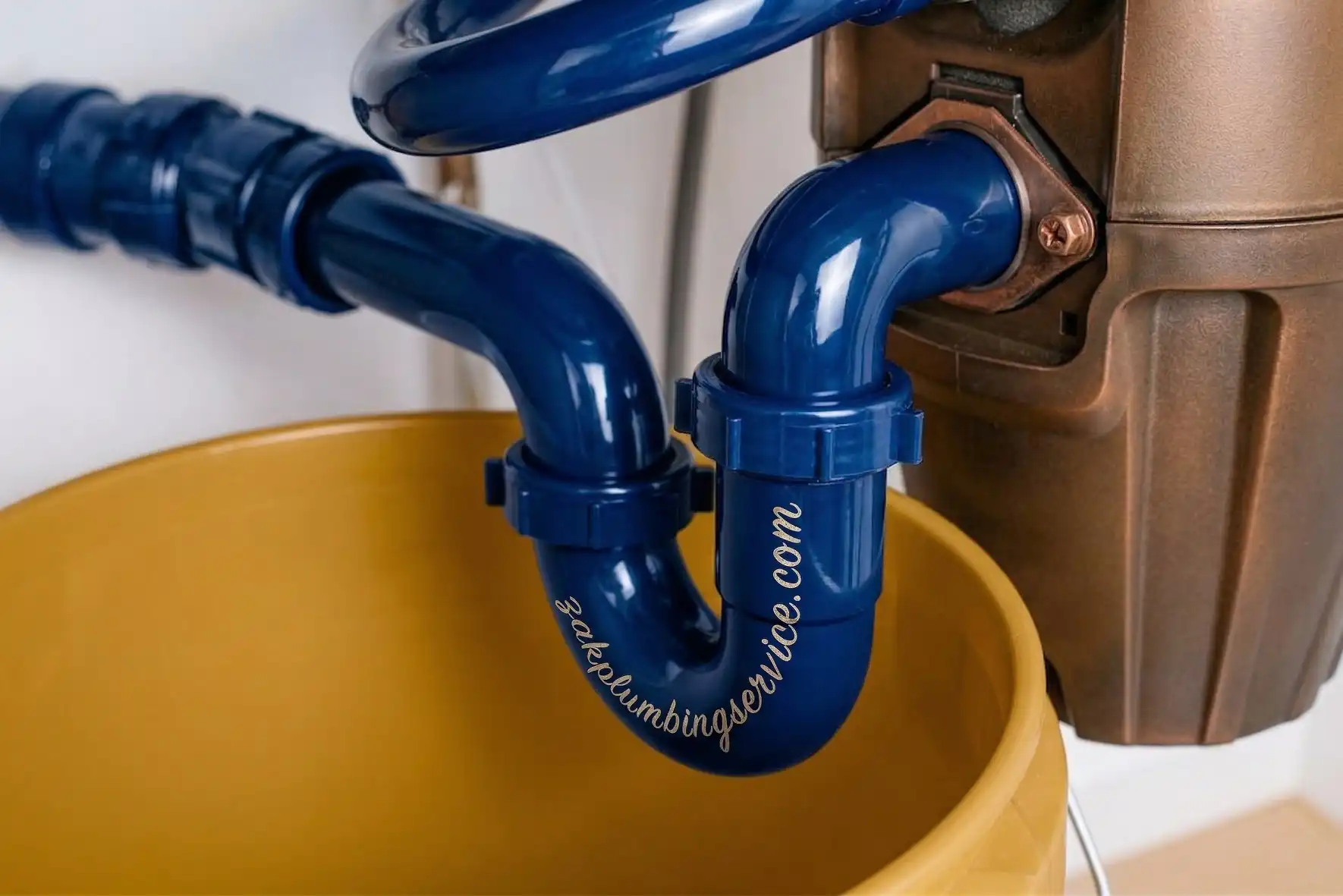
If you have tried everything and the water still won’t budge, the clog is likely in the “P-trap,” which is the U-shaped pipe under your sink.
- Place a bucket under the pipe.
- Unscrew the slip nuts by hand or with a wrench.
- Remove the trap and clear out any debris.
- Rinse it in another sink and put it back together.
Essential Tools for Drain Maintenance
When you are figuring out how to unclog a sink, having the right kit makes all the difference. Here are the items every homeowner should keep under the cabinet:
- Cup Plunger: Best for flat surfaces like sinks and tubs, it creates the seal needed to move water.
- Drain Auger (Snake): A flexible cable that reaches deep into the plumbing to break up tough blockages.
- Baking Soda and Vinegar: The “green” alternative to harsh store-bought chemicals that can damage pipes.
- Pipe Wrench or Channel Locks: Necessary for removing the P-trap if the clog is deep in the “U” bend.
- Bucket and Rags: Because plumbing is almost always a bit messy, and you will need to catch the “trap water.”
- Enzyme Cleaner: A 2026 favorite for maintenance, these use bacteria to eat organic waste without hurting your pipes.
When to Call Zak Plumbing
We love a good DIY spirit, but sometimes a clog is a symptom of a bigger problem, like a blocked main line or a broken pipe. If you have tried these steps and the water is still backing up, or if multiple drains in your house are slow at the same time, it is time to call in the professionals.
At Zak Plumbing, we use the latest 2026 diagnostic tech to see exactly what is happening inside your walls. We don’t just clear the clog, we make sure your plumbing system is set up for years of clog-free service.