Living with a septic system is a bit like owning a classic car; it requires a little extra love and attention to keep things running smoothly. If you ignore it, you’re not just looking at a bad smell; you’re looking at a potential multi-thousand-dollar repair.
As we move into 2026, new technologies and environmental rules are making it even more important to stay on top of your septic tank service. At Zak Plumbing Service, we’ve seen how a few simple habits can save homeowners from the nightmare of a yard full of sewage.
Read: Water Filtration Repair: 7 Proven Tips for the Best Home Water Quality
1. Master the Pumping Schedule for Your Septic Tank Service
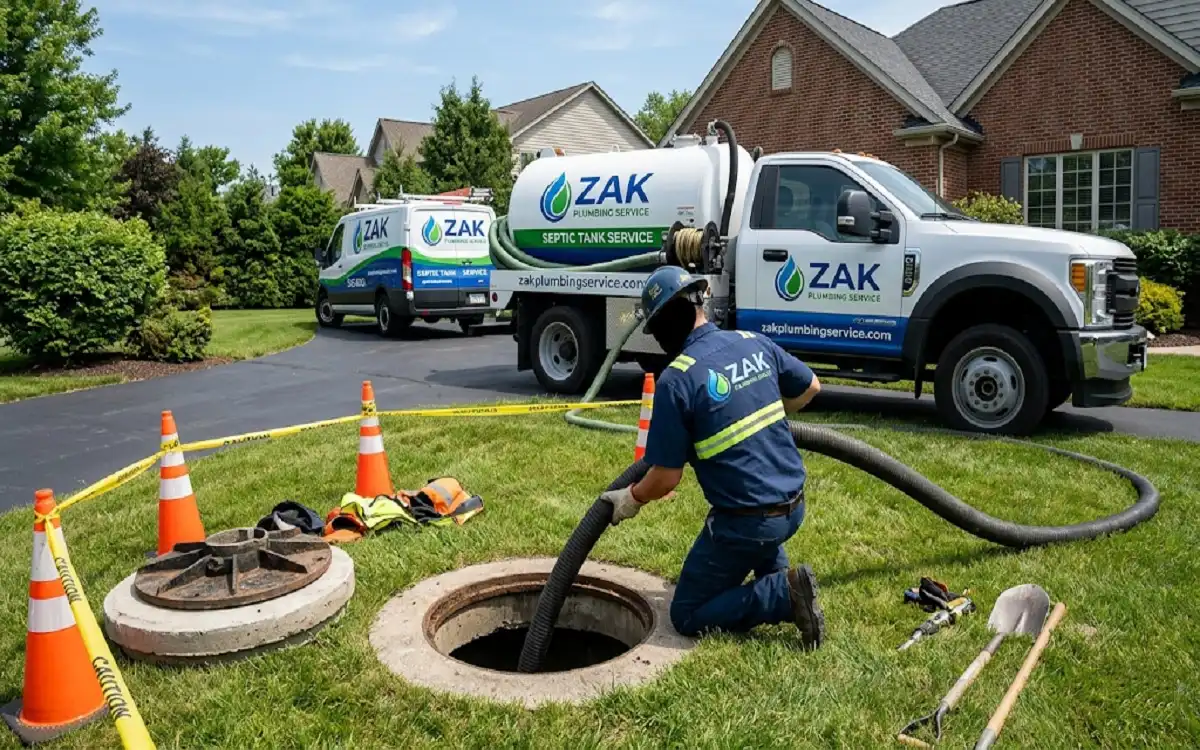
The most basic, yet most forgotten, part of maintaining your system is regular pumping. In 2026, with more people working from home than ever before, residential systems are under higher stress. A standard family of four usually needs a septic tank service every 3 to 5 years. However, if you have a smaller tank or a larger family, you might need to call us sooner.
When the sludge at the bottom of your tank gets too high, it starts flowing out into your drain field. This is the “point of no return” where the soil gets clogged and the system fails. We recommend keeping a log of every time you have a professional visit. It’s a small step that keeps your property value high and your nose happy.
Read: Water Softener Service: 10 Essential Hacks to Fix Your Hard Water Fast
2. Embrace Smart Water Use and 2026 IoT Tech
One of the biggest updates this year is the rise of smart sensors. You can now install IoT (Internet of Things) monitors that alert your phone if the water levels in your tank are rising too fast. This is a game changer for septic tank service because it lets you catch a leak before it becomes a flood.
Even without high-tech sensors, you should practice water conservation. If you do five loads of laundry on a Saturday, you’re essentially “drowning” your bacteria. Spread those loads out. Use high-efficiency toilets and showerheads. The less water you push through the system, the more time the solids have to settle properly.
Read: Water Filtration Maintenance: 5 Proven Tactics to Avoid Costly Repairs
3. Protect Your Drain Field During Septic Tank Service
The drain field is the most expensive part of your septic setup. Many homeowners make the mistake of treatng it like a regular part of the lawn. To keep your septic tank service costs low, follow these rules for the area over your pipes:
- Never park cars there: The weight of a vehicle can crush your underground pipes or compact the soil so water can’t filter through.
- Watch your trees: Plant only grass nearby. Tree roots are like heat-seeking missiles for moisture, they will find their way into your pipes and cause massive blockages.
- Divert rainwater: Make sure your roof gutters and sump pumps aren’t discharging water onto the drain field. It’s already busy enough with your household waste.
Read: Water Softener Repair: 3 Costly Mistakes You Must Avoid Today
4. Know What (and What Not) to Flush
Your septic tank is a living ecosystem of bacteria that breaks down waste. When you flush chemicals or plastics, you kill those “good” bugs. To avoid an emergency septic tank service call, treat your toilet like a delicate instrument.
Avoid “flushable” wipes at all costs. Despite the name, they do not break down like toilet paper and are the leading cause of clogs in 2026. Also, keep grease, coffee grounds, and feminine hygiene products out of the drains. If it didn’t come out of your body or isn’t toilet paper, it shouldn’t go down the pipe.
Read: Hydro Jetting Sewer Line: 5 Crucial Reasons to Avoid Dangerous Pipe Damage
5. Schedule Professional Annual Inspections
A “pump-only” mentality isn’t enough anymore. A true septic tank service includes a full inspection of the baffles, the tank walls, and the effluent filter. Sometimes, a small $100 fix during an inspection can prevent a $15,000 replacement later.
In 2026, new local regulations in many areas require proof of inspection for property sales. By staying proactive, you’re not just protecting your home, you’re ensuring your paperwork is ready if you ever decide to move.
At Zak Plumbing Service, we provide detailed reports so you always know the exact health of your system.
Step 3: Maintenance Comparison & Points
Instead of a table, here are the key differences between Proactive Maintenance and Reactive Repair:
- Routine Pumping Cost: Usually ranges from $300 to $600 depending on tank size.
- Emergency Replacement Cost: Can skyrocket to between $10,000 and $25,000 in 2026.
- System Lifespan: A well-maintained tank can last 40 years, while a neglected one may fail in less than 15.
- Frequency of Care: Inspections should happen every 1 to 3 years, whereas pumping happens every 3 to 5 years.
- Environmental Impact: Proactive care prevents groundwater contamination, while failure can lead to legal fines and health hazards.
Don’t Wait for the Smell
Taking care of your septic system doesn’t have to be a headache. By following these five tactics, you’re making a smart investment in your home’s future. If you haven’t had a septic tank service in the last three years, now is the perfect time to check it off your list. Give us a call at Zak Plumbing Service, and we’ll handle the dirty work so you don’t have to worry about what’s happening under your lawn.
For More Details Visit Zak Plumbing Service Contact Page